

 See My Latest Article on HelloNation

Why Do Roofs Leak in Concord, NH?
Most roof leaks in Concord develop due to a combination of age, weather, and small gaps that allow moisture in. Understanding the common causes can help area homeowners spot issues before they become larger problems, especially given the region’s mix of snowy winters, spring thaw, and summer storms.
How Can Weather in Concord Affect Roof Longevity?
Seasonal weather shifts put a wide variety of stresses on local roofs. Snow, ice, and rain are particularly challenging in central New Hampshire, accelerating wear or forcing water into places it shouldn’t go.
- Heavy snow loads can cause ice dams at the edges of roofs. These dams trap melting snow, and the pooled water may seep under shingles.
- Freeze-thaw cycles allow water to sneak into small cracks. When it refreezes, expansion widens these gaps over time.
- Spring rains reveal leaks caused by winter ice, while strong summer storms can dislodge shingles or flashing.
Local homeowners often notice new leaks first thing in the spring or after major weather events.
What Are the Most Frequent Points of Failure?
Several spots are especially leak-prone for Concord houses, regardless of roof type or age.
Shingles and Roofing Materials
If shingles are missing, cracked, or curling, water can slip underneath and rot the underlying wood. Wind can lift shingles around their edges, another common source of leaks after storms.
Flashing and Roof Penetrations
Flashing is the thin metal designed to keep water away from chimneys, skylights, plumbing vents, and where roof planes meet walls. When flashing rusts, bends, or comes loose, these connections often become the starting points for leaks—sometimes invisible until water appears inside.
Typical flashing trouble spots include:
- Chimney bases
- Skylight perimeters
- Roof valleys
- Exhaust vents
Gutters and Downspouts
Clogged or poorly directed gutters can send water back up under the shingles instead of away from the home. In fall and spring, Concord residents need to check for leaves, pine needles, and ice forming inside downspouts, all of which can contribute to leaks that appear along eaves or in attic spaces.
Do Aging Roofs Leak More Often?
Roofs in the city are exposed to decades of sun, storms, and debris. As materials reach the end of their lifespan—often 20-30 years for asphalt shingles—they become less able to resist moisture.
Common visible signs include:
- Granules collecting in gutters
- Shingles that look worn or faded
- Persistent damp patches in the attic after rain
Houses with older roofs are more at risk, particularly if there’s been a history of delayed maintenance.
Can Minor Issues Become Bigger Problems?
Minor roofing problems can grow quickly in the local climate. For example, a small hole made by a fallen branch might not leak during dry weather, but heavy rain or melting snow finds even tiny entry points. Many property owners are surprised when a harmless-looking roof blemish results in ceiling stains or damaged insulation after a wet stretch.
Other overlooked contributors include:
- Animal activity, such as squirrels or birds, which can pry up shingles or enter at roof edges
- Moss and lichen, which hold moisture against the roof surface and accelerate decay
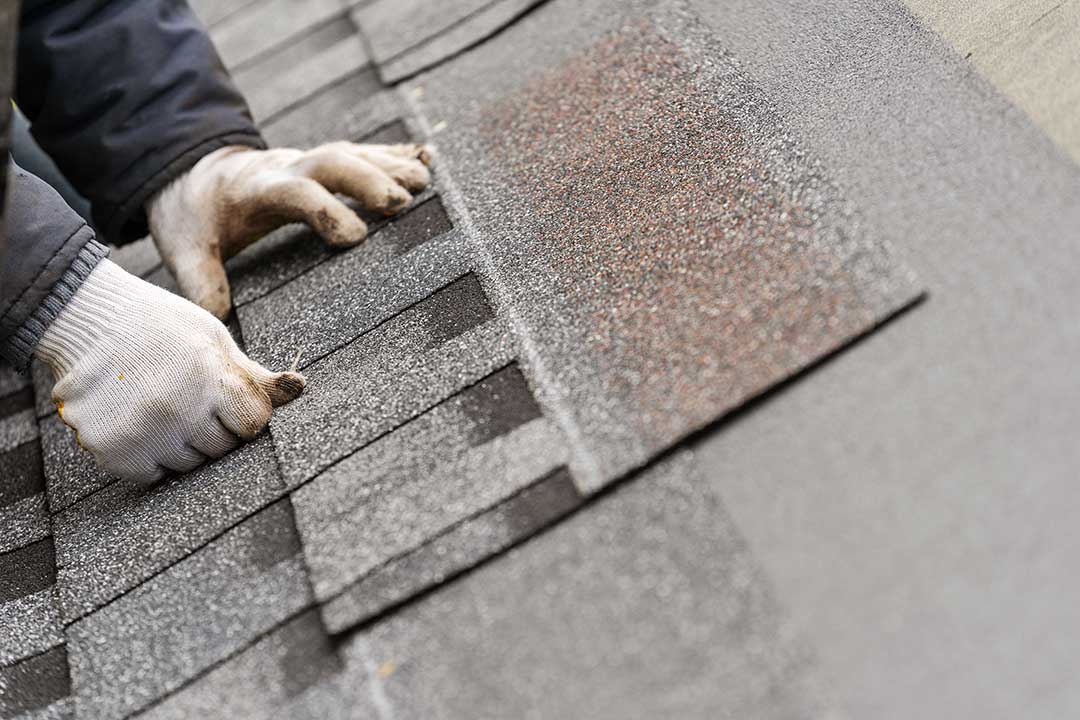
Promptly addressing these small issues keeps bigger, more expensive repairs at bay.
How Are Attics and Ventilation Related to Roof Leaks?
An attic that’s not properly aired out is prone to condensation, particularly during Concord’s cold winters. Moisture rising from everyday living—cooking, bathing, or even dryer vents that aren’t exhausted outside—can collect on the underside of the roof deck.
Without adequate ventilation:
- Mold or mildew grows over time, rotting roof supports and insulation
- Ice dams form more easily due to warm attics melting snow on the roof
Homeowners should check that attic vents are clear and insulation is dry—an easy but often neglected defense.
Are Homeowner Repairs or Modifications a Risk?
DIY projects, such as new satellite dishes, rooftop solar install, or even a fresh coat of exterior paint, sometimes result in unintentional roof leaks. Nails put through shingles, poorly sealed fasteners, or using incompatible sealants are common missteps.
Other frequent homeowner-related issues involve:
- Trimming nearby tree branches and damaging shingles without realizing it
- Overzealous cleaning that removes protective granules from shingle roofs
Taking extra care with projects that involve climbing or working near the roof can help prevent leaks created by accident.
What Should Local Residents Watch For?
Unlike some household problems, roof leaks are often tricky to trace and may appear in unexpected places, such as behind walls or near skylights, far from the roof trouble spot.
Warning signals include:
- Brown ceiling spots or peeling interior paint after a storm
- Damp insulation or a musty attic smell
- Dripping or pooling near light fixtures
Regular checks—especially after strong Concord weather—are worth the time, since early discovery is key to keeping homes safe and dry.