

 See My Latest Article on HelloNation
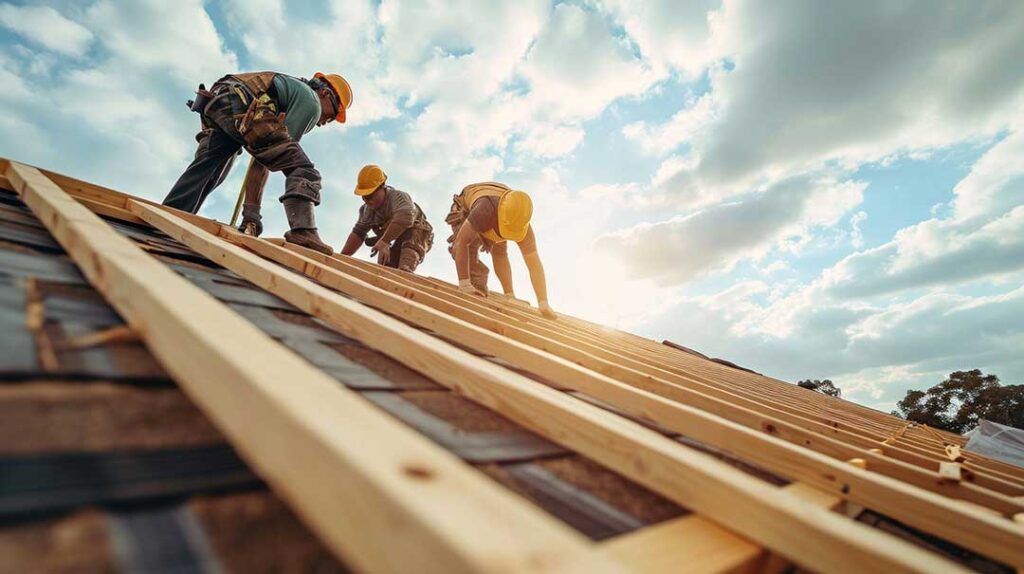
What Are the Key Factors That Determine a Roof's Lifespan in Concord, NH?
A roof's durability in Concord depends on several factors unique to the region’s climate, housing stock, and seasonal shifts. On average, asphalt shingle roofs—the most common type—last 15 to 30 years, but freezing winters, sun exposure, and moisture from snowmelt can shorten this timeframe.
Local roofs face cycles of freezing and thawing, summer humidity, and winter ice dams. Tree cover can add shade but also contribute to debris and moss buildup. How a roof was installed, attic ventilation, and maintenance frequency all play a role in determining whether a roof reaches its maximum lifespan.
Which Routine Maintenance Tasks Make the Biggest Difference?
Routine maintenance can significantly slow the aging process of roofing materials.
- *Clear Gutters and Downspouts:* Debris, needles, and leaves lead to water buildup and ice damming. Clearing these each fall and spring keeps drainage systems clear.
- *Remove Debris from Roof Surface:* Branches, leaves, and moss collect moisture and cause slow shingle decay.
- *Trim Overhanging Branches:* Limbs rubbing on the roof cause physical damage, while overhanging foliage increases moss and algae growth.
- *Check and Replace Damaged Shingles or Flashing:* Catching and replacing cracked, curling, or missing shingles prevents water intrusion.
These small tasks can be handled seasonally and save residents from larger issues later. For those with low-pitch or walkable roofs, many maintenance steps can be managed safely with basic tools.
How Does the Local Climate Affect Roof Aging?
Concord sees snow loads in winter and frequent freeze-thaw cycles in spring—both of which stress roofing materials.
*Snow that lingers on rooftops applies extra weight and encourages water penetration, especially at the eaves. Inadequate attic insulation leads to warm spots that melt snow in patches, causing ice dams that lift shingles and let water seep underneath.*
Residents can help by gently removing heavy snow after major storms, especially near eaves. Avoid using metal shovels or chipping at ice, which damages roofing. Adding insulation and ensuring attic vents remain clear helps keep roof temperatures consistent, reducing risk of ice dams.
What Are the Signs of Roof Issues Residents Should Watch For?
Early detection is crucial for extending the life of any roof. Catching issues quickly prevents small concerns from becoming major repairs.
Common warning signs:
- Curling, cracked, or missing shingles (often appear after wind storms or as shingles age)
- Granule loss (found as sand-like material in gutters)
- Rusted or separated flashing around chimneys or vent pipes
- Dark streaks, moss, or mold growth
- Water stains or bubbling paint on upper floors or in the attic
Homeowners in the area often notice these issues during seasonal roof cleanings, after storms, or during yearly gutter maintenance. Spot checks after major weather events are especially helpful.
Does Attic Ventilation and Insulation Make a Difference?
Yes—attic conditions are directly linked to roof longevity. Proper airflow ensures that warm, moist air from the home doesn’t become trapped under the roof deck. Poor ventilation causes condensation, which leads to rot, mold, and shingle damage.
In the Concord area, many homes have attics that double as storage or insulation spaces. Make sure vents are unobstructed and attic insulation is evenly spread but not blocking airflow from soffit to ridge. If summer heat lingers in upper rooms or ice builds up frequently at the roof edge, it may indicate a ventilation or insulation imbalance.
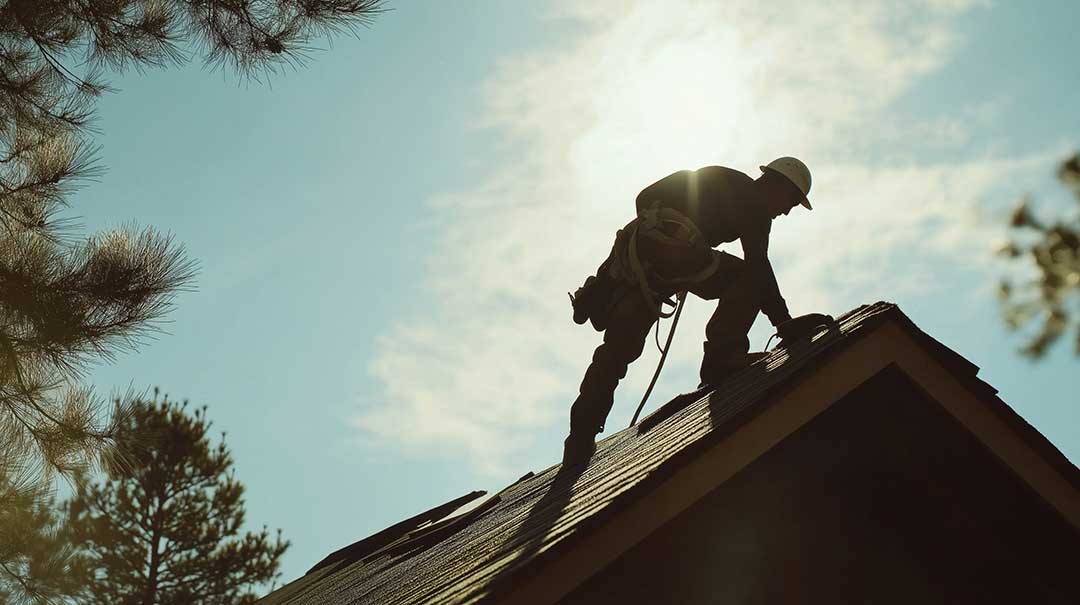
Should Roofs Be Inspected, and How Often?
Visual inspections—either from the ground or a ladder—should be done twice yearly: once after winter, once after summer. These check-ups reveal minor issues before they worsen.
For steep roofs or those with hard-to-see valleys and peaks, binoculars can be used from the yard. If structural issues are suspected (like sagging, widespread shingle loss, or hail damage), consider consulting an expert for a closer evaluation—especially if safety is in question.
How Can Homeowners Avoid Unnecessary Roof Wear?
A few common behaviors unintentionally shorten a roof's life:
- Walking on shingles, especially in hot or icy conditions, can loosen or damage them
- Pressure washing strips away protective granules
- Ignoring clogged gutters during leaf-heavy seasons, leading to trapped moisture and rot
Instead, use soft brooms to clear debris and clear gutters before and after peak leaf fall. If moss is present, specialized roof cleaners (never bleach or high-pressure sprays) and good sunlight exposure help limit regrowth.
Do Local Building Practices or Ordinances Impact Roof Longevity?
Building codes in the area set minimum standards, but maintenance routines have a much greater influence on lifespan. Most residential roofing work does not require frequent permitting, but guidelines—such as only installing up to two layers of shingles—are in place to help protect structural integrity.
Some neighborhoods may have covenants about roofing colors or materials. For the majority of households, using code-compliant materials and following seasonal care best practices makes the biggest difference.
Are Metal Roofs or Other Materials Longer-Lasting Here?
Metal roofs are becoming more common in Concord due to their durability against hail, ice, and heavy snow. These roofs can last 40 years or more. However, they require their own seasonal checks for loose screws, rust, and sealant wear.
Other materials, like architectural shingles or slate, have longer expected lifespans but come at higher cost and require specialized maintenance. Longevity depends not just on type, but on installation quality and owner care after installation.
Each roof type benefits from the same seasonal checks, debris removal, and visual inspections.