

 See My Latest Article on HelloNation
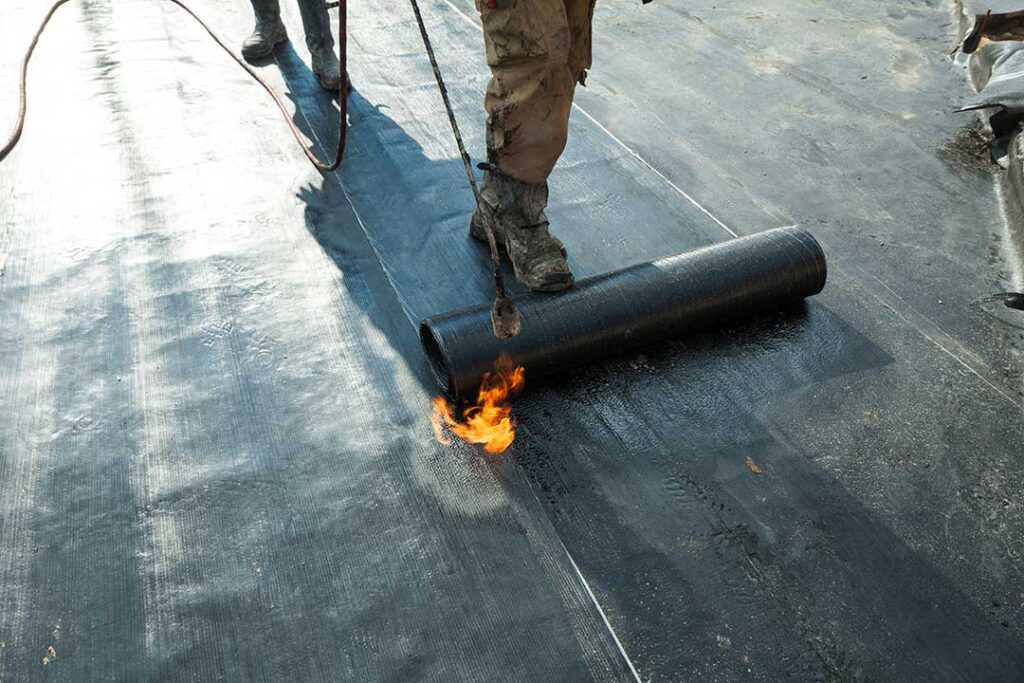
Why Watch for Early Roof Damage in Concord, NH?
Spotting roof damage early helps area households protect their property against weather extremes. The City of Concord’s seasonal shifts—especially harsh winters, ice dams, spring rains, and temperature swings—can accelerate roof wear. Regular checks can prevent costly repairs and reduce the risk of water damage or heat loss.
What Early Warning Signs Should You Look For?
A brief visual inspection can reveal warning signs long before leaks or major failures occur. Look for:
- Missing, cracked, or curled shingles, especially after heavy wind, rain, or ice.
- Dark streaks or spots, often from algae or moss, which thrive in humid or shaded spots.
- Granules collecting in gutters—lost from asphalt shingles—which may signal aging materials.
- Exposed or rusty flashing around chimneys, skylights, or vents.
- Areas with sagging, especially under snow; this could signal decking or structural problems.
- Daylight visible in attic spaces, which can indicate gaps or holes.
- Paint blistering or peeling around rooflines, possibly from trapped moisture.
Even newer roofs can show some of these issues, so periodic, careful examination is worthwhile.
How Do Concord’s Seasons Affect Roof Vulnerability?
Roofing in this region contends with snow accumulation, ice dams, rapid freeze-thaw cycles, and the effects of summer sun. Each season poses unique challenges:
- Winter ice dams can push water under shingles, loosening nails and damaging wood.
- Heavy snow loads test structural support—persistent sagging deserves a closer look.
- Roof valleys, shaded areas, and north-facing sections often keep moisture longer, promoting moss or algae.
- Sudden spring thaw sometimes reveals problems hidden by snow—new stains or drips indoors may trace to ice damage above.
Residents should plan inspections after major storms and as snow clears, taking note of any changes.
What Are Signs of Water Intrusion and Hidden Leaks?
Early water entry often remains hidden until enough moisture collects indoors. Watch for these early clues:
- Water stains or patches of discoloration on upper-wall or ceiling surfaces.
- Small, musty odors in attic spaces—a possible sign of mold beginning to form.
- Damp or soft areas on rafters or insulation.
- Subtle bubbling or peeling paint, particularly near the ceiling.
Catch these small problems early to avoid broader damage inside the home.
Can You Check for Roof Problems from Indoors?
Yes—attics and upper-floor ceilings often provide early warning signs when outdoor access isn’t possible. Look for:
- Sunlight coming through the roof boards.
- Unexpected cold drafts or uneven heating, which may result from air leaks.
- Visible moisture, frost, or mold on wood framing.
Careful attic checks, particularly after storms or visible roof problems, add another layer of early detection.
Are Moss and Algae a Real Concern for Local Roofs?
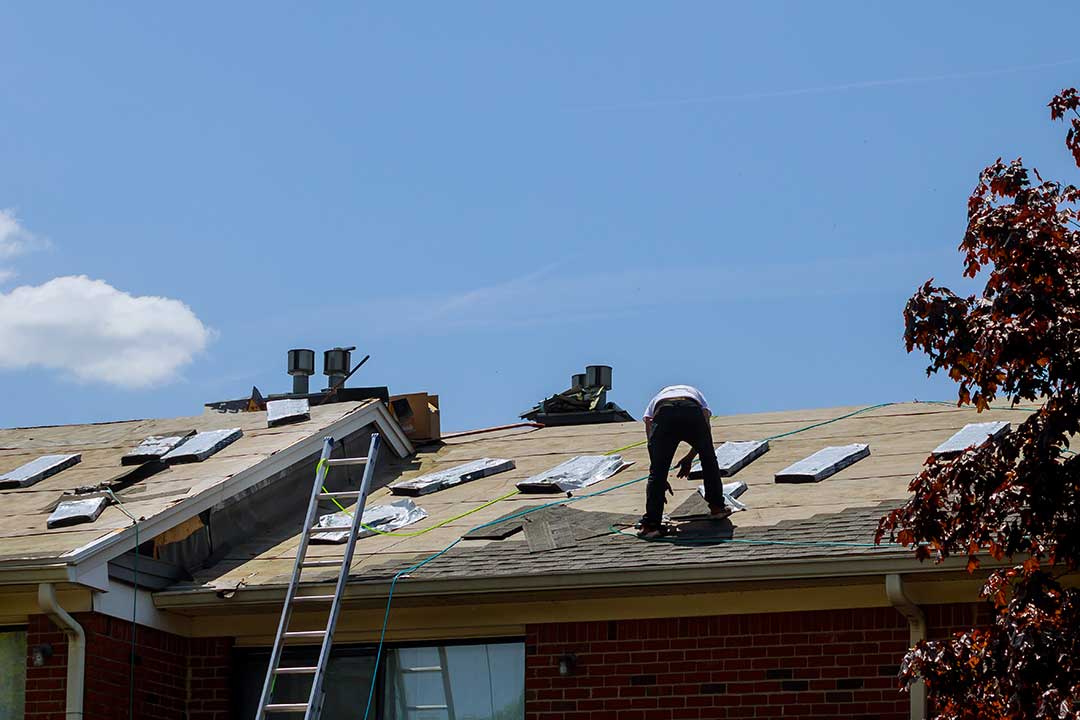
In this region, moss and algae can grow quickly in damp, shaded areas or spots facing away from direct sunlight. While they can seem cosmetic, unchecked growth traps moisture, potentially lifting shingles and accelerating deterioration. Over time, underlying wood can soften, making winter ice intrusion more likely.
- Recognize moss by its green, fuzzy appearance.
- Algae often look like dark streaks or stains.
Removal methods vary, but never scrape shingles or use pressure washers, as these can cause more harm than good.
How Does Aging Show on Different Roofing Materials?
Not all homes in Concord use the same materials. Here’s what to watch for with common types:
- Asphalt shingles: Loss of granules, noticeable curling, or torn tabs.
- Wood shingles/shakes: Splitting, cupping, or decay, especially in shaded or damp spots.
- Metal roofs: Rust spots, loose screws, or separation at seams.
- Rubber (EPDM): Cracking, shrinkage, or areas where seams separate.
Age alone isn’t always a cause for worry, but when paired with the above signs, it may suggest a need for closer monitoring.
What Are Common Misconceptions About Roof Wear?
Some residents believe a lack of active leaks means a roof is “fine.” In reality, leaks are often a late-stage symptom—by the time water enters living spaces, damage to decking and insulation may have been happening over months or years.
Another misconception: moss or algae are just cosmetic. Over time, both can shorten a roof’s lifespan if ignored.
Regular, simple checks—especially before and after the toughest weather—are far more effective than waiting for major leaks or visible holes.
Can You Safely Inspect Your Own Roof?
For most households, a ground-level visual inspection with binoculars is safe and effective for checking shingle condition, flashing, and gutter areas. Entering the attic, when safely accessible, provides extra insights. Avoid climbing on roofs—particularly after storms, in icy or wet conditions, or if the roof is steeply pitched.
If you notice structural sagging, widespread leaks, or suspect electrical or fire risks from water entry, these are situations safest left to qualified professionals. In those cases, minimizing time inside the affected area until the issue is evaluated is wise.
How Often Should Area Households Check for Issues?
Plan to check your roof visually twice a year—after winter thaw and in the fall before snow. Extra checks after severe wind, heavy rain, or hail can catch sudden damage early. Keep a checklist or photos for comparison over time, making changes easier to spot.
Staying alert to subtle early signs goes a long way in protecting homes and budgets in the local community.