

 See My Latest Article on HelloNation
How Does Concord, NH Weather Affect the Longevity of Roofs?
The seasonal climate in Concord, NH exposes roofs to a wide range of challenges. From heavy winter snow to summer storms and fluctuating temperatures, each weather pattern contributes to the wear and tear of roofing materials.
New England’s climate means area households see frequent freeze-thaw cycles, wind-driven rain, humid summers, and periods of snow accumulation. These factors influence not just how long a roof lasts, but also what types of maintenance are necessary over time.
Why Is Snow Accumulation and Ice Damming a Concern?
Snow and ice put tremendous stress on roofs, especially during the long winters experienced by local residents. Accumulated snow can weigh hundreds of pounds, causing stress or even damage to the underlying structure.
The freeze-thaw cycle creates a particular risk: as heat escapes from warm living spaces, it melts snow on the roof, which then refreezes along the colder edges and eaves, forming ice dams. These dams prevent proper drainage, trapping water behind them and potentially forcing it under shingles and into attics or walls.
Common signs of ice dam issues include:
- Icicles forming along the roofline,
- Discoloration on ceilings or walls,
- Water dripping from soffits.
Proper attic insulation and ventilation are especially important in the area’s climate to minimize ice dam formation and mitigate water damage risk.
How Do Spring Rains and Thunderstorms Affect Roofs?
Spring and summer often bring intense rainfall, sometimes in short but powerful bursts. Roofs with missing shingles, aging flashing, or clogged gutters are most vulnerable to leaks during these storms.
Heavy rain can also reveal pre-existing weaknesses, such as:
- Damaged or uplifted shingles allowing water infiltration,
- Poorly sealed valleys or chimneys,
- Clogged gutters causing water to back up under the roofline.
Routine inspection after major storms helps area homeowners catch minor issues before they develop into larger, more expensive problems.
What Impact Does Wind Have on Local Roofs?
High winds, often accompanying storms, are a regular occurrence in Concord. Wind can lift shingles, especially along the roof edges and ridges. Even small gusts accumulate damage over time—loosening fasteners, breaking adhesive strips, or shifting flashing.
Certain roof designs and materials are more wind-resistant than others, but even well-secured roofs in the community can lose a few shingles each storm season. After windy conditions, it’s helpful to look for:
- Shingles or debris on the ground,
- Exposed nail heads,
- Gaps or flapping ridge caps.
Regular, visual checks from the ground after windy weather make it easier to spot issues early.
Does Sun Exposure Affect Roofing Materials in This Area?
While Concord is not known for extreme heat, the sun’s ultraviolet (UV) rays still break down roofing materials over the years. In summer, direct sunlight can dry out shingles, causing them to crack, curl, or lose their waterproof granules. Fading color is another common sign of UV wear.
Older, south-facing slopes see these signs first, as they bear the most sun exposure. While UV damage is gradual, it adds up—especially for roofs nearing the end of their expected lifespan.
Can Humidity and Moss Growth Cause Roofing Issues?
The area’s seasonal humidity, coupled with shade from trees or north-facing slopes, can promote moss, algae, and lichen growth. These organisms retain moisture, which can soften shingles or speed up deterioration of wood and asphalt products.
Homeowners sometimes underestimate the effects of moss:
- Moss can lift shingles, letting wind or rain penetrate beneath,
- Damp areas are more susceptible to rot and leaks,
- Black streaks from algae, while mostly cosmetic, may eventually affect shingle performance.
Gently removing debris and keeping branches trimmed helps reduce these problems, especially for roofs shaded for large parts of the year.
What Should Homeowners Look for After Severe Weather Events?
Checking a roof after harsh weather can prevent future headaches. Key signs of weather-related damage include:
- Missing, cracked, or warped shingles,
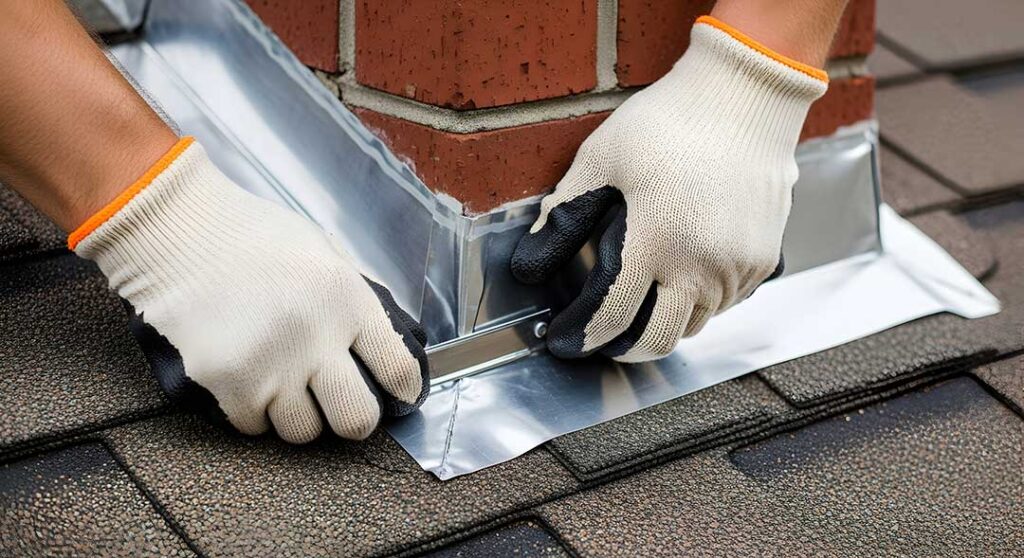
- Bent, detached, or missing flashing around chimneys or vents,
- Granules collecting in gutters (a sign of aging shingles),
- Sagging areas on the roof deck,
- Damp spots or water marks inside attics or on ceilings.
Not every visible issue signals an immediate emergency, but recording observations and monitoring changes is wise.
Are Certain Materials or Roof Designs More Suited to Local Weather?
Different materials respond to Concord’s weather in unique ways. Asphalt shingles are common due to their affordability and moderate durability, but metal roofing can offer longer lifespan and better resistance to snow slide-off and wind uplift. Steeper-sloped roofs shed snow and water more effectively.
For those considering replacement or construction, features that help performance in the local climate include:
- Enhanced attic ventilation,
- Ice-and-water shield underlayment on eaves,
- Durable ridge and hip caps,
- Materials rated for local wind and snow loads.
When in doubt, consulting local building codes is a reliable way to ensure compliance and better roof longevity.
What Are Some Common Misconceptions About Weather and Roof Damage?
Residents often assume only major storms cause real roof problems, but gradual, minor weathering often leads to more significant long-term damage. Small leaks from ice dams, minor shingle loss from regular winds, or unnoticed moss growth can be just as relevant as dramatic hail or tree branch impact.
Another misconception is that a roof is “fine” if it isn’t visibly leaking. In reality, slow seepage or minor ventilation issues can go undetected for months—eventually resulting in more expensive fixes.
Proactive, informed care based on local climate realities helps roofs last longer and protects homes from costly repairs.