

 See My Latest Article on HelloNation
What Roof Materials Are Most Commonly Used in Concord, NH?
Asphalt shingles, metal panels, wood shakes, slate, and synthetic options are frequently seen on homes throughout the city. The region’s snowy winters, humid summers, and wide variety of home styles mean that residents weigh a balance of weather durability, cost, and aesthetics. Each material reacts differently to the local conditions, and what works for one neighborhood or home type may not suit another.
Are Asphalt Shingles Still the Standard for Area Homes?
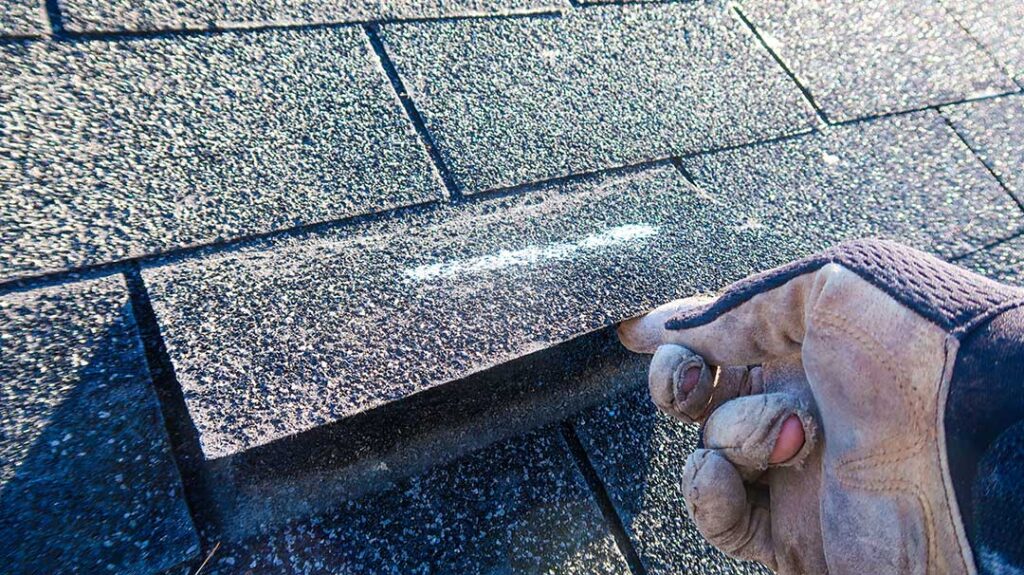
Yes, asphalt shingles remain the most widely installed roofing material locally. They are valued for their affordability and straightforward installation. Most area homes built in the last several decades feature this type of roof.
Strengths:
- Budget-friendly compared to alternatives
- Readily available and quick to install or repair
- Moderate resistance to wind and rain (especially architectural or laminated varieties)
Drawbacks:
- Lifespan of 15-25 years, shorter than premium materials
- Vulnerable to dramatic temperature swings, which can lead to curling or cracking over time
- Moss and algae can develop, especially on shaded, north-facing slopes in the city’s wooded areas
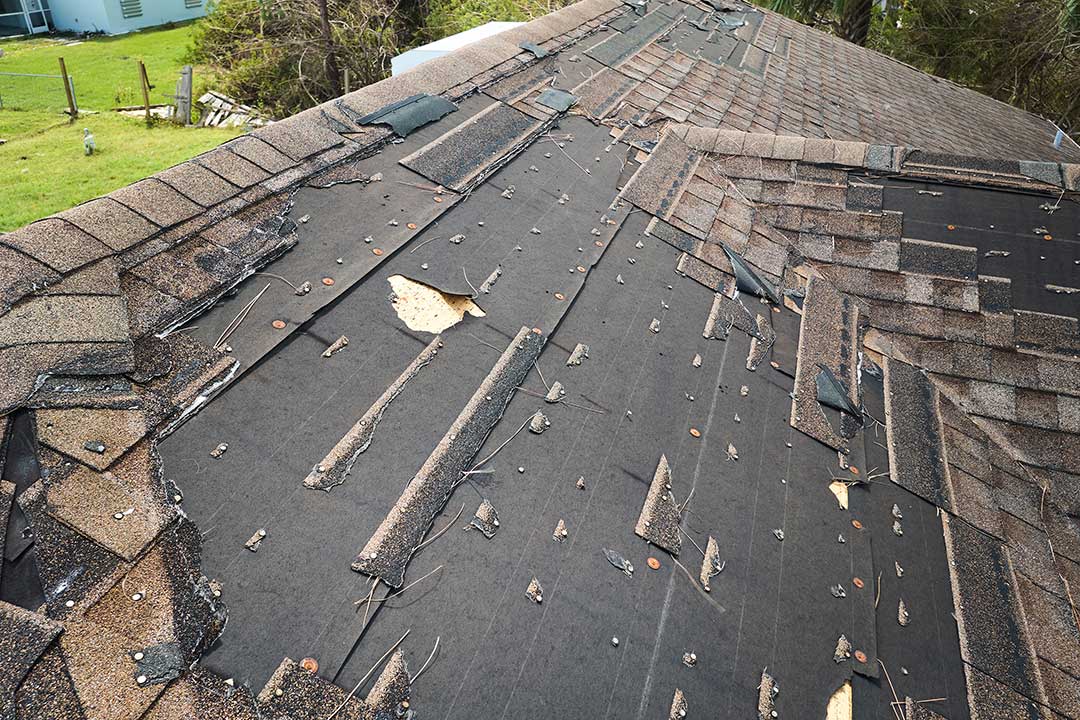
Example: After a particularly icy winter, residents may notice lost shingles or exposed nails on older roofs and need to make repairs sooner than with metal or slate.
How Do Metal Roofs Perform in Local Conditions?
Metal roofing—whether in standing seam panels or metal shingles—has gained popularity in recent years, particularly for new builds and renovations aiming for greater longevity.
Strengths:
- Resistant to heavy snow loads and ice dams, which are common during Concord winters
- Reflects heat in the summer, potentially lowering cooling costs
- Lifespan can exceed 40 years with minimal maintenance
- Sheds snow quickly, reducing weight and ice buildup
Drawbacks:
- Higher initial cost compared to asphalt
- Snow sliding off metal roofs can block pathways unless snow guards are installed
- Can be noisy during rain or hail unless installed with additional insulation
- Color choices and finish longevity vary by manufacturer
Common Misconception: Many believe metal roofs rust quickly, but most are coated to withstand decades of New England weather without corrosion.
What About Wood Shakes and Shingles?
Wooden shakes and shingles bring a classic charm—often seen in older homes and rural properties. They use cedar or sometimes pine, which is naturally weather resistant but requires careful upkeep.
Strengths:
- Natural appearance that blends with wooded surroundings and historic architecture
- Provides some natural insulating properties
- Ages to a pleasant silver-gray over time
Drawbacks:
- High maintenance requirement—must be kept clear of debris to deter moss and rot, especially after damp Concord springs
- Vulnerable to fire unless specifically treated
- More expensive than asphalt or basic metal
- Susceptible to insect and animal damage (such as squirrels or woodpeckers)
*Tip:* Properties near woods or bodies of water may require extra vigilance against mold and moss growth on wood roofs, especially in shaded sections.
Is Slate a Practical Choice for Local Homes?
Slate is a natural stone material associated with upscale or historic properties. It is known for its exceptional lifespan but is not commonly chosen for new standard homes due to its cost and weight.
Strengths:
- Can last more than 75 years—sometimes over a century
- Highly resistant to fire and weathering
- Distinctive, classic look, especially on older or custom homes
Drawbacks:
- Very high price point, both for materials and specialized installation
- Weighs far more than other roofing types—many homes require roof structure reinforcement
- Slate tiles can crack if walked on for repairs or snow removal
- Replacing damaged tiles can be challenging due to color and thickness variations
Local Note: Authentic slate roofs are rare outside historic or high-end custom homes in the city, but conservation-minded renovations sometimes preserve them.
How Do Synthetic Roofing Materials Compare?
Newer synthetic roofing options—such as rubber, composite, or recycled material shingles—mimic the look of wood or slate while offering modern advantages.
Strengths:
- Much lighter than true slate or tile and often easier to install
- Designed to resist algae, moss, and moisture—useful in Concord’s damp shoulder seasons
- Can offer long warranties (some 30-50 years)
- Often made from recycled content, appealing for sustainability-minded households
Drawbacks:
- Less long-term track record, so true lifespan in this climate is still being observed
- Not all synthetic products are accepted by homeowner associations or historic boards
- Cost can approach that of metal or premium asphalt shingles
Practical Example: Homeowners seeking the historic look of slate or shakes without the weight or ongoing care requirements sometimes turn to synthetic alternatives, especially for roof replacements on older homes with limited load-bearing capacity.
Which Factors Influence the Best Material Choice Locally?
Selecting a roofing material requires balancing cost, aesthetics, climate performance, and long-term maintenance.
A few critical local considerations:
- Concord’s freeze-thaw cycles and snow loads favor materials that resist cracking and shed snow easily.
- Steep roof designs accelerate snow shedding: Metal and synthetics perform well, while wood may struggle without diligent care.
- Shade from trees increases the risk of algae, moss, and leaf build-up—residents in heavily wooded neighborhoods may need extra maintenance with asphalt or wood.
Some may prioritize the historic charm of wood or slate; others focus on longevity and storm protection provided by metal or synthetics. No material is universally “best”—the right choice depends on the home’s age, pitch, existing roof structure, and the resident’s priorities for upkeep and appearance.