

 See My Latest Article on HelloNation
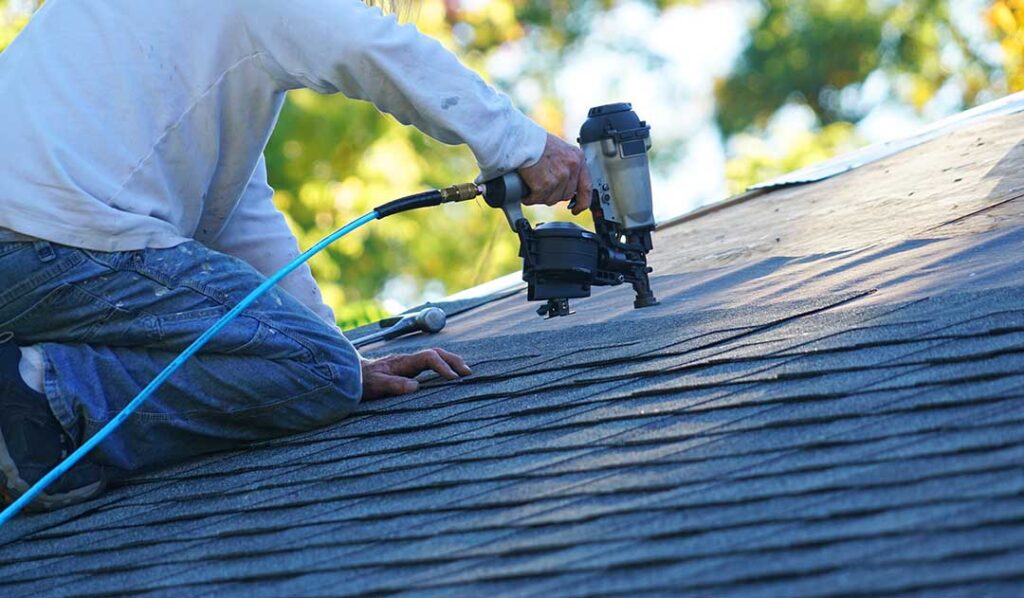
A professional roof inspection is a systematic review of the roof system, not just a quick look at shingles from the ground. The inspector examines visible roofing materials, drainage, flashing, ventilation, attic conditions, and signs of water entry, then explains which findings need attention now and which can be monitored.
For households in Concord, NH, inspections are especially useful after heavy snow, wind, ice, freeze-thaw cycles, or summer storms. Seasonal changes can expose small weaknesses that are easy to miss from inside the living space.
Why is a roof inspection performed?
The main purpose is to identify current damage, developing problems, and conditions that could shorten the roof’s service life. An inspection may be requested because of a leak, a home purchase, an insurance matter, visible wear, or routine maintenance planning.
A roof can appear acceptable from the yard while still having trouble at:
- Valleys where roof sections meet
- Chimneys, skylights, and plumbing penetrations
- Eaves and edges exposed to ice and snow
- Flashing around walls and roof transitions
- Attic areas beneath poorly ventilated roof sections
An inspection does not automatically mean the roof needs replacement. Many findings involve maintenance, localized repair, improved drainage, or better ventilation.
What happens before the inspection begins?
The inspector usually asks about the roof’s age, past repairs, known leaks, storm damage, and any rooms where stains or dampness have appeared. Information about when a problem occurs can be valuable. For example, a ceiling stain that appears only during wind-driven rain may point to a different issue than one that develops during spring snowmelt.
The property owner may also be asked to provide access to the attic, garage, or upper-floor spaces. Personal belongings may need to be moved away from attic access points. If snow, ice, stored items, or unsafe conditions prevent access, those limitations should be documented rather than overlooked.
Weather affects the process. Wet, icy, or snow-covered surfaces can make walking on a roof unsafe and may prevent close examination of some materials.
Does the inspector walk on the roof?
Sometimes, but not always. A roof may be inspected from the surface, from a ladder, from the ground, or with a camera or other viewing equipment. The method depends on slope, height, surface condition, roof age, weather, and safety risks.
A roof inspection is not improved by unnecessary walking on fragile, steep, icy, or deteriorated materials. Some roofs can be damaged by foot traffic, especially when shingles are brittle or temperatures are very cold.
A thorough inspection should explain which areas were directly observed and which were reviewed from a distance. If snow, ice, vegetation, or unsafe access blocked a portion of the roof, that limitation matters when interpreting the report.
What exterior areas are examined?
The exterior review focuses on the roof covering and the components that keep water moving away from the structure. The inspector may look for:
- Missing, cracked, curled, blistered, or loose shingles
- Exposed fasteners or deteriorated sealant
- Granule loss in gutters or near downspouts
- Damaged metal around chimneys, walls, valleys, and penetrations
- Sagging roof sections or uneven roof lines
- Blocked or poorly directed drainage
- Damaged gutters, downspouts, or extensions
- Moss, algae, leaves, branches, or other debris
- Signs of wind movement, impact, or fallen limbs
Flashing deserves particular attention because it protects joints and transitions where leaks commonly begin. A roof may have sound shingles but still allow water into the building through failed flashing or an improperly sealed penetration.
In the local climate, repeated freezing and thawing can open small cracks, loosen materials, and stress areas where dissimilar materials meet. Snow and ice can also conceal damage during winter, which is why some concerns cannot be fully evaluated until surfaces are clear.
What is checked inside the attic?
The attic can reveal problems that are not visible from above. An inspector may look for water stains, damp insulation, mold-like growth, rusted fasteners, damaged sheathing, daylight entering through the roof, or signs of repeated condensation.
Ventilation is another important part of the review. Poor airflow can allow excess heat and moisture to collect beneath the roof. That may contribute to premature material aging, frost or condensation concerns, and uneven roof temperatures during winter.
The inspection may also consider whether insulation is blocking ventilation paths at the eaves. Bathroom and kitchen exhaust ducts are checked for signs that moisture is being released into the attic rather than properly vented outdoors.
An attic finding does not always identify the exact time or source of a leak. Water can travel along rafters or roof sheathing before appearing as a stain elsewhere. The visible mark inside the home may therefore be several feet away from the exterior entry point.
What does a professional roof inspection report include?
A useful report describes observed conditions in plain language and separates urgent concerns from routine maintenance. It commonly includes:
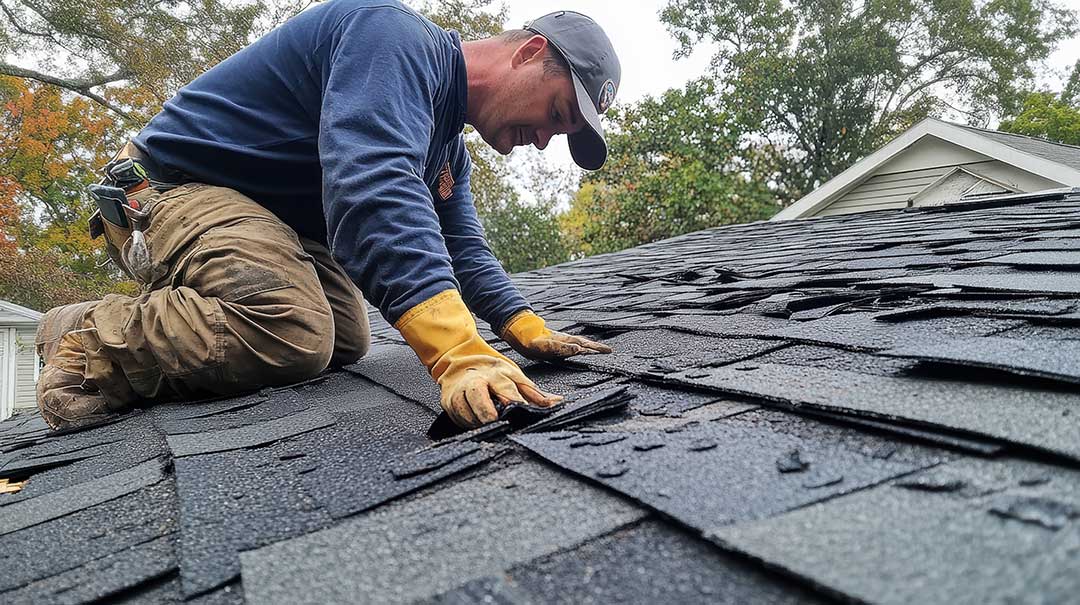
- The approximate age or apparent condition of the roof
- Areas inspected and areas that could not be accessed
- Photographs of notable conditions
- Leaks or evidence of past moisture entry
- Condition of shingles, membrane, flashing, and drainage
- Attic ventilation and insulation observations
- Safety concerns
- Recommended next steps and suggested priority
The report should distinguish between an observed defect and a possibility that requires further investigation. For example, a dark attic mark may indicate an old leak, active moisture, or staining from condensation. Moisture readings or follow-up evaluation may be needed before drawing a firm conclusion.
A professional inspection is also different from an engineering evaluation. An inspection generally documents visible conditions. It does not necessarily calculate structural capacity, certify hidden framing, or determine whether a building can support unusual loads.
How should homeowners understand inspection findings?
Not every defect has the same urgency. A missing shingle over a living area, an active leak, or exposed roof decking deserves prompt attention. A small amount of surface wear may be suitable for monitoring, particularly if the roof remains watertight.
Ask practical questions about each finding:
- Is water entering the building now?
- Could the condition worsen during the next storm or freeze-thaw cycle?
- Is the issue limited to one location?
- Does it affect the roof covering, drainage, structure, or indoor air conditions?
- Can the area be monitored safely?
- Was the recommendation based on visible evidence or a precaution?
Replacing an entire roof is not the automatic answer to every inspection concern. In some cases, the appropriate response is correcting a flashing detail, improving drainage, removing debris, repairing ventilation, or addressing a small damaged section.
When is a roof inspection especially useful?
An inspection is particularly helpful after a significant storm, before buying or selling a home, after discovering an unexplained ceiling stain, or when the roof is approaching the later part of its expected service life.
It is also useful in spring, when melting snow and ice can reveal drainage problems, and after summer storms that bring wind, heavy rain, or falling branches. Seasonal inspections can help separate ordinary aging from damage that requires timely action.
Residents should avoid climbing onto a roof to investigate suspected damage, especially when surfaces are wet, icy, steep, or unstable. From the ground, note visible changes, check for displaced materials, and look for water stains indoors. A roof inspection is most valuable when it combines those observations with a careful review of the roof system and attic conditions.