

 See My Latest Article on HelloNation
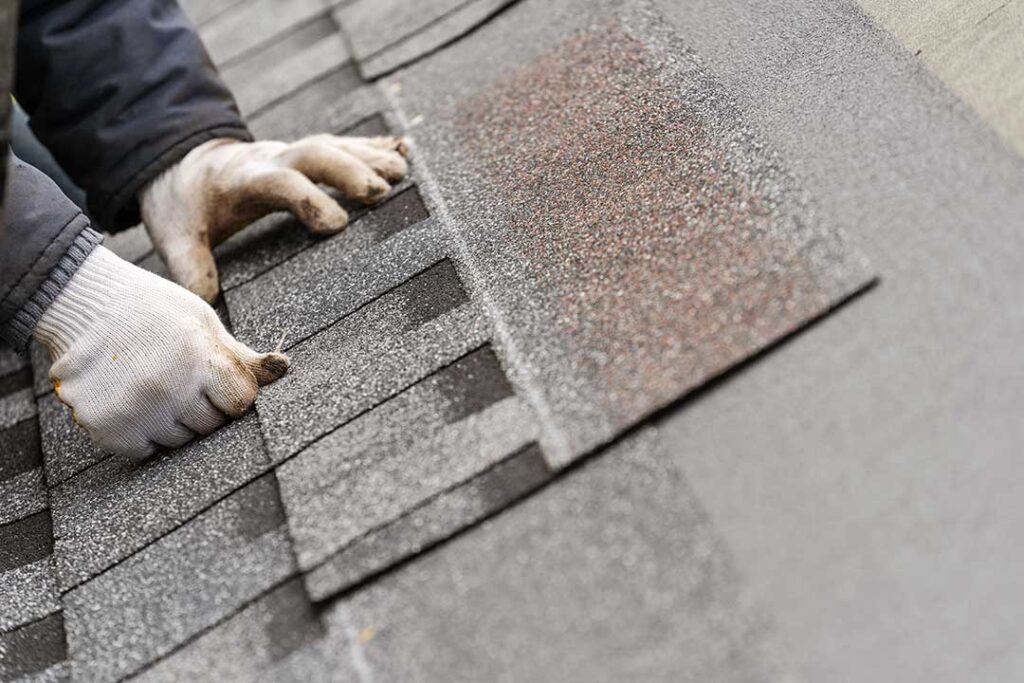
Why Clean Your Roof, and Is It Safe to Do So Yourself?
Cleaning a roof helps prolong its lifespan and can prevent issues such as moss and algae buildup, which are common in the moist, wooded environment of Concord, NH. While many local residents handle minor roof cleaning themselves, safety should always come first—especially when dealing with steep roofs or high elevations.
For most households in the city, cleaning a roof is manageable with the right knowledge, but anyone with mobility issues, unstable ladders, or roofs showing signs of structural damage should avoid attempting it.
What Makes Roof Cleaning Risky in Concord?
Slippery surfaces, especially after the thaw or summer rains, are the main risks. Steep roof pitches typical in the region’s older homes also increase the chance of falls. Additionally, debris like pine needles and wet leaves can turn surfaces slick. Homeowners sometimes skip securing their ladder on firm ground or fail to wear proper footwear, increasing injury risk.
Simple steps can significantly reduce these dangers:
- Only clean during dry, overcast weather to minimize slip hazards.
- Wear slip-resistant shoes and use a harness for roofs with a noticeable pitch.
- Inspect your roof and ladder for damage before climbing.
- Limit time spent on the roof and avoid working alone.
Which Cleaning Methods Work Best for Local Roof Types?
Most homes in Concord feature asphalt shingles, but slate and metal roofs are also present. Each material tolerates cleaning differently:
- Asphalt Shingles: Use a soft brush and gentle cleaning solution; harsh scrubbing or pressure washing may dislodge granules and shorten the life of the shingles.
- Slate Roofs: These require a light touch. Soft brushes or low-pressure rinsing help prevent cracks or chips.
- Metal Roofs: These can often handle slightly more pressure but still benefit from non-abrasive brushes and mild cleaners.
Many residents mistakenly use household bleach or power washers. While these can quickly remove stains, they often accelerate shingle wear and runoff can damage lawns and landscaping.
Which Cleaning Solutions Are Safe for Roofs and the Environment?
To reduce harm to your roof and Concord’s local waterways, choose non-toxic or biodegradable cleaners. Store-bought products marketed for roof use—those specifically marked as safe for shingles, metal, or slate—will often do less harm than harsh chemical mixes like pure bleach.
A locally vetted solution mixes water, a small amount of gentle dish detergent, and white vinegar. This cleans well and rinses easily with minimal residue or runoff impact. Always pre-wet plants and grass around the house to dilute any runoff, and avoid rinsing debris directly into storm drains.
How Often Should You Clean Your Roof?
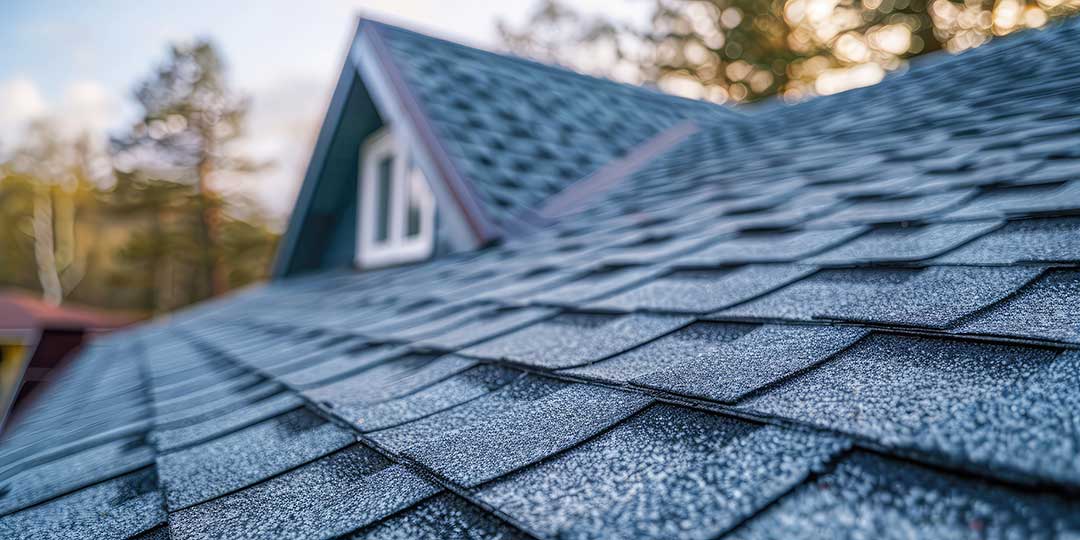
Local climate patterns—humid summers, heavy fall foliage, and periodic snowmelt—mean roofs in Concord benefit from cleaning every one to two years. Heavily shaded or north-facing roofs may need more frequent attention to prevent thick moss or algae growth.
Be wary of over-cleaning; aggressive scrubbing or chemical use more than necessary can do more harm than good. Instead, visually assess your roof in spring and fall for debris, stains, or growth, and only clean thoroughly when buildup is evident.
What Precautions Protect Landscaping and Gutters?
It’s easy to overlook the impact of roof cleaning on the areas below. Runoff from cleaning agents, dislodged debris, and moss can clog gutters or damage lawns:
- Cover delicate shrubs or flower beds with tarps before starting.
- Clear gutters and downspouts both before and after roof cleaning to prevent blockages.
- Rinse plants with clean water after finishing, especially if any cleaning solution runs off the roof.
This step not only shields landscaping but helps maintain drainage around your home’s foundation.
What Are Common Misconceptions About Roof Cleaning?
Residents sometimes believe that visible moss or algae is only a cosmetic problem. In reality, these growths can trap moisture and accelerate roof deterioration, particularly with the freeze-thaw cycle common in the city’s winters.
Another misconception is that higher pressure or stronger chemicals will clean faster. In practice, either can cause shingle loss, fade color, or lead to roof leaks—sometimes invalidating warranties.
When Should You Avoid DIY Roof Cleaning?
If your roof shows signs of sagging, widespread leaks, brittle shingles, or if you’ve noticed previous ice dam issues, it’s safest to consult a structural expert first. Very tall or steep roofs, or those with difficult access points, should also be left to specialized crews using proper safety systems.
Otherwise, with good planning, steady footing, and careful product choice, many Concord households can safely maintain their own roofs and protect their homes from long-term damage.