

 See My Latest Article on HelloNation

What roof maintenance can a homeowner safely do?
Most routine roof maintenance involves observation, cleaning accessible areas, and addressing small problems before water enters the home. Homeowners can often inspect the attic, clear debris from the ground, clean gutters from a stable position, and look for visible damage. Climbing onto a roof is a different matter and may not be safe, especially on steep, wet, icy, or moss-covered surfaces.
In Concord, NH, roofs must handle snow, freeze-thaw cycles, wind, rain, and strong summer sun. These changing conditions can expose weak flashing, loosened shingles, clogged drainage paths, and poorly sealed roof penetrations.
A practical maintenance routine includes:
- Looking at the roof from the ground several times a year
- Checking gutters and downspouts in spring and fall
- Inspecting the attic for moisture or daylight
- Trimming branches that hang over the roof
- Removing small amounts of accessible debris before it accumulates
- Recording changes with dated photographs
Routine care is not a substitute for repairs, but it can reveal warning signs early.
How often should a roof be inspected?
A roof should receive a basic visual check at least twice a year, usually in spring and fall. Additional checks are sensible after major wind, heavy snowfall, ice buildup, or a severe rainstorm.
A ground-level inspection can look for:
- Missing, cracked, curled, or displaced shingles
- Dark streaks or patches that may indicate algae or moisture retention
- Exposed underlayment or roof decking
- Sagging along the roofline
- Damaged metal around chimneys, vents, skylights, or roof edges
- Granules collecting heavily near downspouts
- Branches, leaves, or other debris resting on the roof
Binoculars can make this inspection safer and more detailed. Photographs taken from the same locations each season can help show whether a suspected problem is stable or worsening.
A roof does not need to look perfect to be functional. Minor discoloration may be cosmetic, while a small area of missing flashing can allow water into the structure. The location and progression of a problem matter more than appearance alone.
What should be checked in the attic?
The attic often reveals roof problems before they become visible inside living areas. Inspect it during daylight hours with a flashlight, taking care not to step between ceiling joists or on unsupported insulation.
Look for:
- Damp insulation or water staining
- Darkened wood around roof penetrations
- Mold-like growth or persistent musty odors
- Rust on fasteners or metal components
- Frost on nails during cold weather
- Daylight showing through roof boards, except at designed vents
- Compressed or missing insulation
- Blocked soffit vents
A roof leak may not appear directly below the damaged area. Water can travel along rafters, sheathing, insulation, or framing before reaching a ceiling. A stain that seems old can also become active again during a wind-driven storm or rapid snowmelt.
Attic ventilation should not be blocked by insulation. Airflow from low intake areas to higher exhaust areas helps manage heat and moisture, but ventilation problems are not always visible from the ground. Any adjustment involving electrical equipment, structural components, or difficult access should not be treated as a casual DIY task.
How can gutters and downspouts protect the roof?
Gutters help move water away from roof edges, exterior walls, windows, and foundations. Clogged gutters can cause water to back up beneath shingles or overflow against trim and siding.
Clean gutters in spring and fall, and check them after nearby trees shed leaves or during periods of heavy wind. From a stable ladder positioned on firm, level ground:
1. Remove leaves and compacted debris by hand while wearing gloves.
2. Flush the gutter with a small amount of water.
3. Confirm that water flows toward the downspout.
4. Check for separated joints, sagging sections, or loose fasteners.
5. Make sure downspouts discharge well away from the foundation.
Do not stand on the top rungs of a ladder or stretch sideways to reach another section. A ladder can shift on wet grass, ice, gravel, or uneven ground. If the gutter line cannot be reached safely, ground-level inspection is the better choice.
Downspouts may freeze during winter. Ice at the outlet can force water backward, especially during a warm spell followed by refreezing. Keeping the discharge area clear helps reduce this risk.
Should homeowners remove snow or ice from the roof?
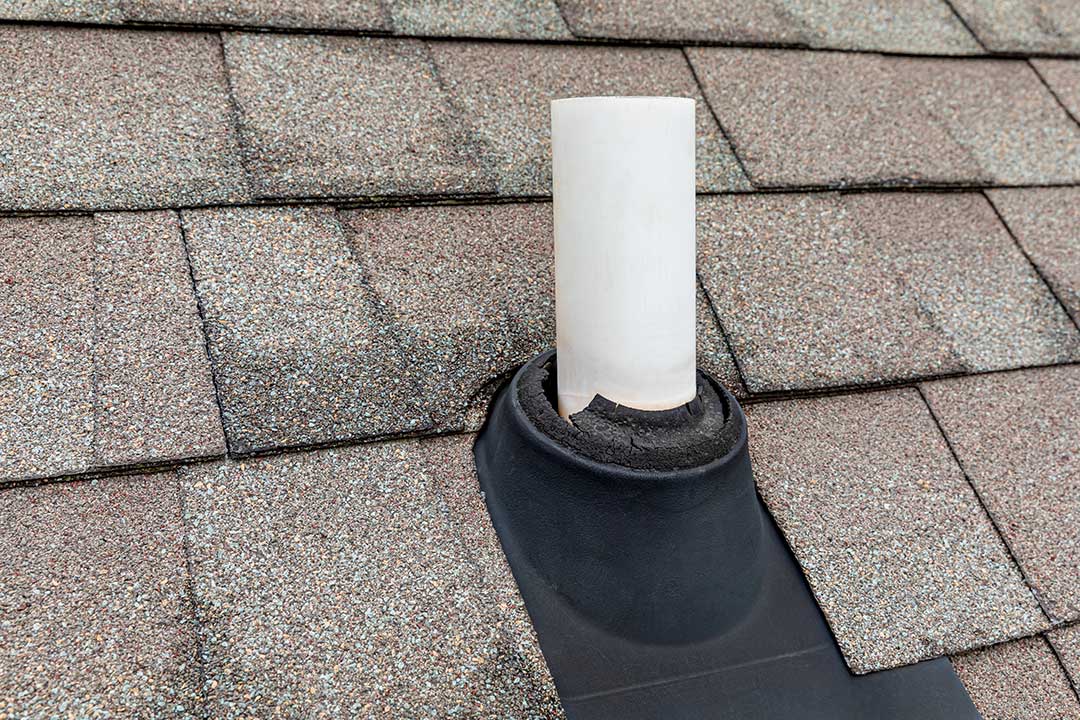
Snow and ice removal is not automatically necessary after every storm. Most residential roofs are designed to carry ordinary seasonal snow loads, but unusual accumulation, drifting, or signs of structural stress deserve attention.
Warning signs include:
- New ceiling cracks
- Doors or windows suddenly sticking
- Visible sagging in the roofline
- Unusual popping or creaking sounds
- Large snow drifts concentrated on one roof section
- Water stains appearing during a thaw
Do not climb onto a snowy or icy roof. Walking on it can cause falls, damage shingles, and disturb hidden ice. Roof rakes may be useful from the ground when used according to their instructions, but pulling snow unevenly can damage gutters, siding, landscaping, or people below.
Icicles are usually a symptom of uneven roof temperatures and melting snow, not the original problem. They may indicate ice dam conditions, but knocking them down from a ladder can create serious hazards. Avoid using salt, sharp tools, open flame, or improvised heating equipment on roofing materials.
What should be done about moss, algae, and roof debris?
Leaves, pine needles, and small branches can retain moisture and hide damaged shingles. Remove accessible debris gently from the ground or from a safe roof edge only if there is no fall risk. Avoid dragging heavy tools across shingles.
Moss can lift shingle edges by allowing roots and moisture to remain against the roofing surface. Algae may create dark streaks without immediately affecting roof performance. Neither condition should be treated with pressure washing, which can strip protective granules and drive water beneath shingles.
Chemical treatments can damage plants, metal, siding, or roofing materials if used incorrectly. Read product instructions carefully, protect runoff areas, and avoid mixing cleaning chemicals. If growth is extensive or located on a steep roof, the safety risk generally exceeds the value of a DIY cleaning attempt.
Which roof problems require more than DIY maintenance?
Some conditions should not be handled with temporary patches or household sealants. Prompt evaluation is warranted for:
- Active leaks or water dripping into the home
- Sagging decking or framing
- Large areas of missing or damaged shingles
- Exposed roof underlayment
- Loose or damaged flashing around penetrations
- Damage after a fallen branch or major storm
- Repeated ice dam leaks
- Suspected mold or wet insulation in the attic
A bucket under a leak can limit interior damage, but it does not repair the source. Avoid sealing over wet materials or painting water stains before the area is dry and the cause is understood.
Safety also sets a clear boundary. Roof work should not be attempted during rain, wind, snow, ice, poor visibility, or extreme heat. Electrical lines, unstable ladders, steep slopes, and unknown roof conditions are hazards that require more than basic maintenance experience.
Keeping a simple roof record—with inspection dates, photographs, leak locations, gutter cleaning, and storm observations—can make future troubleshooting more accurate. For households in Concord, seasonal notes are especially useful because a roof may respond differently to a long snowy winter, a rapid spring thaw, or repeated summer storms.