

 See My Latest Article on HelloNation
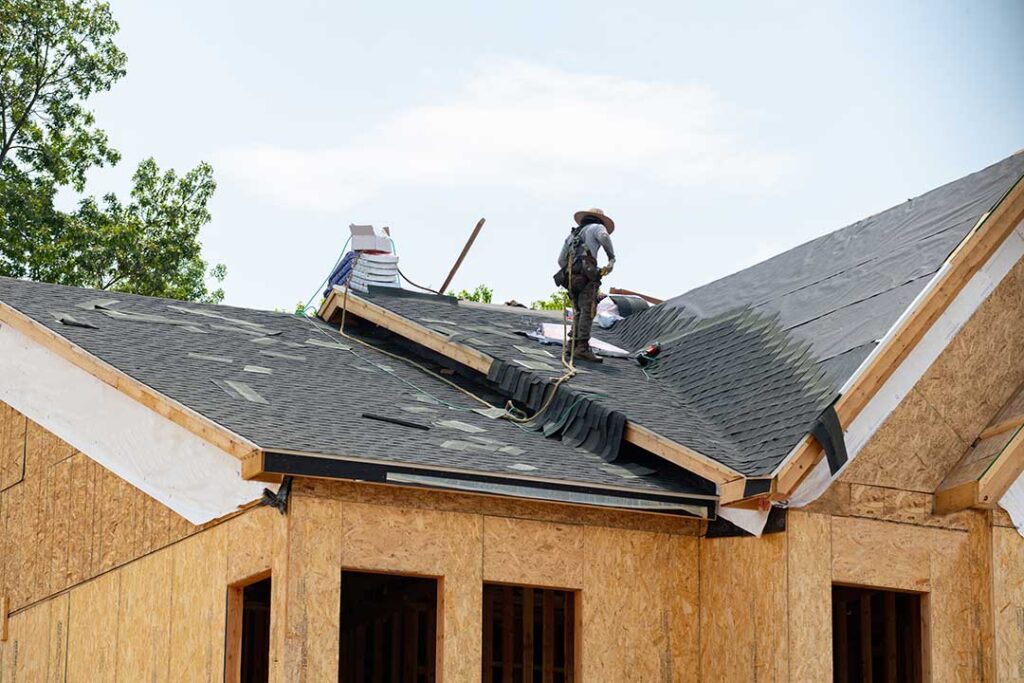
Why Do Homeowners in Concord, NH Benefit from Regular Roof Maintenance?
Regular roof upkeep helps prevent costly damage, maximizes roof lifespan, and maintains a home’s safety and efficiency, particularly given the city’s mix of harsh winters, summer sun, and seasonal storms. Many local residents wonder if ongoing care is worthwhile compared to reactive repairs; the answer is yes, especially where heavy snow loads, leaf debris, and freeze-thaw cycles are common.
Routine visual checks and maintenance catch problems early—before water leaks, ice dams, or pest intrusion can occur. For homes in neighborhoods with mature trees or variable roof slopes, this proactive approach is especially practical.
What Does Roof Maintenance Typically Involve?
Roof maintenance usually means a few simple but important steps:
- Inspecting shingles or roofing materials for signs of wear, curling, cracks, or missing pieces.
- Checking and clearing gutters, downspouts, and roof valleys of debris, especially after autumn leaf fall.
- Examining flashing around chimneys, skylights, or vents—common trouble spots for water entry.
- Looking in attics or upper rooms for signs of leaks, water stains, or inadequate ventilation.
Residents often wonder if they need specialized tools. Most visual tasks require only a sturdy ladder, binoculars (for roof surfaces), and work gloves for clearing debris. Deep cleaning or major repairs can wait until issues are found.
How Does Roof Care Help Prevent Water Damage?
Routine roof attention helps identify trouble long before major leaks develop. In a city like Concord, where winter snow and spring rainstorms are frequent, small vulnerabilities such as loosening shingles or clogged gutters can quickly let water infiltrate attic spaces or siding.
Fixing minor issues—like resecuring loose shingles, fastening gutter brackets, or unclogging downspouts—keeps water flowing away from the home. Avoiding standing water on the roof or in gutters reduces risk of rot, mold, and costly repairs.
How Does Maintenance Extend Roof Lifespan?
Consistent care prevents minor problems from shortening a roof’s service life. In this region, asphalt shingle roofs typically last 20-25 years, but neglecting simple checks can lead to early failure—especially after ice damming, hail, or summer high winds.
By repairing small issues promptly, residents protect their investment and delay the need for a full roof replacement. Proper care also keeps manufacturer warranties valid, which sometimes require proof of regular maintenance.
What Are the Local Seasonal Factors to Consider?
Concord experiences wide weather swings, making tailored roof maintenance especially relevant:
- Fall: Remove leaves, pine needles, and debris before winter snow; check for cracked sealant.
- Winter: Monitor attic for signs of ice dams, look for icicles forming along eaves, watch for snow accumulation on low-slope roofs.
- Spring: Inspect for shingle damage from snow or ice, look for new stains in attics after melt, check gutters after thaw.
- Summer: Watch for curling shingles from sun exposure, and inspect attic ventilation to reduce heat.
Residents with older homes, historical roofing materials, or roofs under mature trees may need to check more frequently than those with newer builds on open lots.
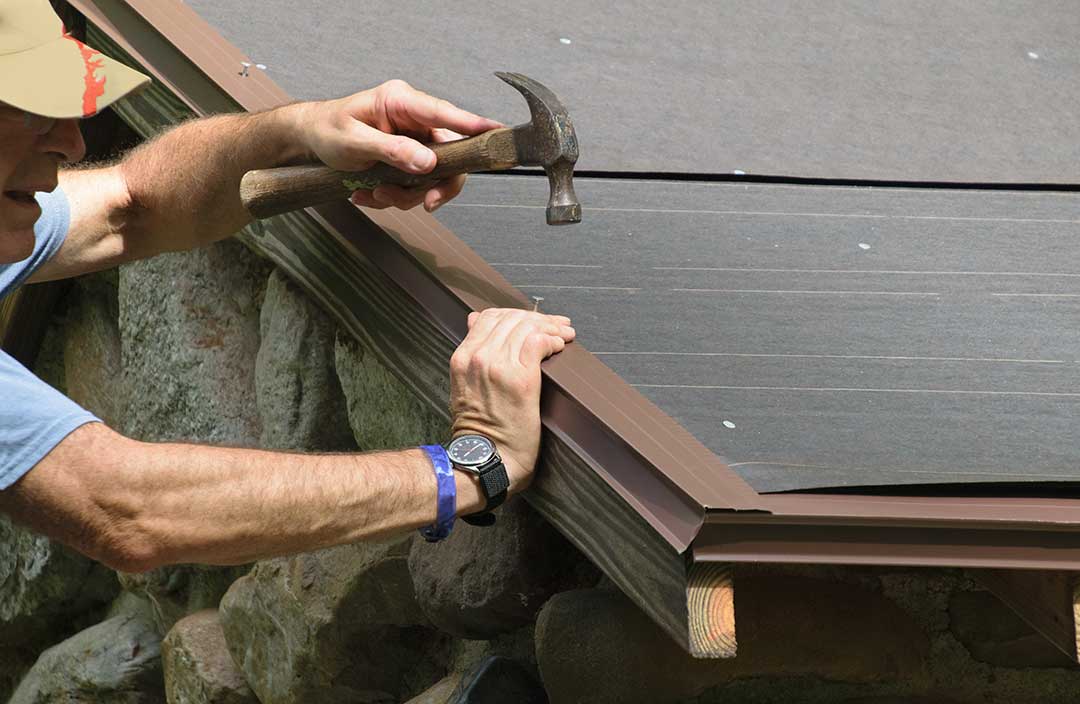
How Can Maintenance Improve Home Energy Efficiency?
A well-maintained roof and clear attic ventilation work together to keep the home warmer in winter and cooler in summer. Gaps, missing shingles, or blocked vents can lead to heat loss, higher energy bills, and ice dam formation.
Regularly checking roof insulation and ventilation keeps attic temperatures stable, reduces condensation risks, and improves comfort for those living inside.
What Safety Concerns Should Residents Be Aware Of?
Some tasks, like visual inspections and minor debris clearing, are safe for most homeowners using care and proper equipment. However, steep roof pitches, wet surfaces, or snow-covered roofs should never be walked on without the right safety gear and experience. If unsafe conditions exist (such as signs of major rot, visible sagging, or electrical hazards), it’s best to avoid direct roof access.
Are There Common Misconceptions About Roof Maintenance?
A frequent misconception is that new roofs do not require attention for a decade or more. In reality, even recently installed roofs benefit from regular checks—debris build-up, windblown objects, or flashing issues can develop by the first year.
Another mistaken belief is that roof maintenance is only necessary after visible leaks appear. By the time interior leaks become noticeable, the damage underneath may already be extensive.
How Can Residents Create a Simple Maintenance Routine?
Setting reminders for twice-yearly checks—ideally after winter thaw and after autumn leaf fall—addresses most local concerns. Residents can:
- Walk their property with binoculars to review the roof’s surface
- Clear gutters and downspouts of leaves and sticks
- Look inside the attic for moisture stains, soft spots, or mold
- Keep a simple log of found issues and repair dates
This consistent approach provides peace of mind, helps with resale value (by documenting care), and ensures homes are ready for Concord’s changing seasons.