

 See My Latest Article on HelloNation
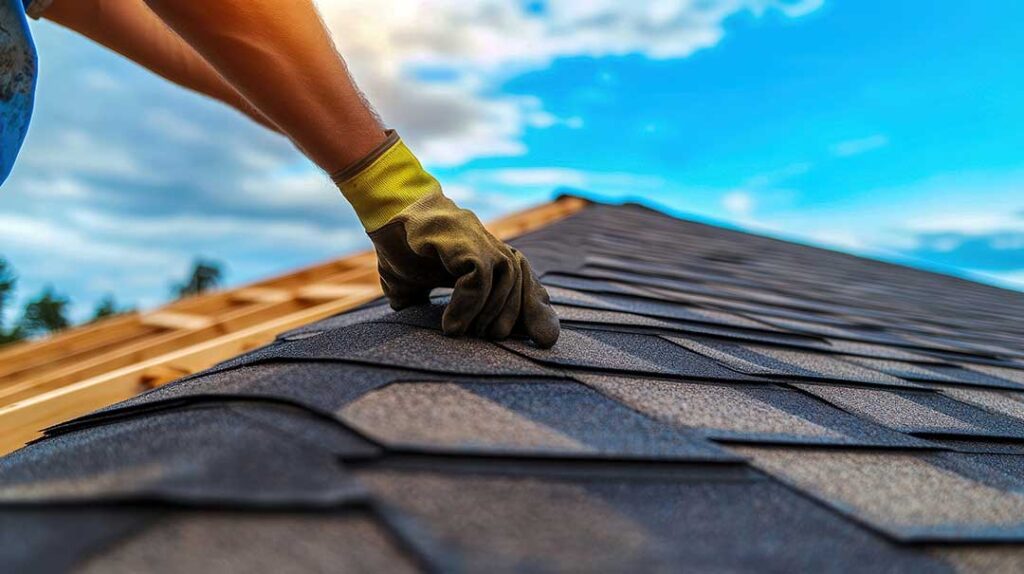
Why Roof Inspections Matter in Concord, NH
Routine roof inspections help Concord residents catch problems before minor issues escalate into costly repairs. Local homes endure heavy snow, ice, rain, and freeze-thaw cycles that can quietly damage roofing materials. Regular checks, whether from the ground or up close, support the longevity of roofs in this northern climate. Inspections also provide peace of mind, especially after storms or harsh winters.
How Often Should Roofs Be Inspected?
Most area households benefit from checking their roofs twice a year—spring and fall are practical times. This schedule aligns with Concord’s seasonal weather patterns:
- Spring: Check for winter-related damage such as ice dam effects, missing shingles, or debris accumulation.
- Fall: Ensure the roof is clear of leaves, inspect seals and flashing, and confirm readiness for snow and ice.
After severe storms—wind, hail, or heavy snowfall—a targeted check can spot damage while it’s still easy to address.
What Should Homeowners Look for During a Roof Inspection?
A residential roof inspection involves a visual review from both the ground and, if safely possible, closer up. Some real questions local residents ask include: “How do I know what damage looks like?” or “What should I check besides missing shingles?” The main areas to focus on are:
- Shingles: Look for curling, cracking, missing, or noticeably loose shingles.
- Flashing: Examine metal strips around chimneys, vents, and skylights for rust, gap openings, or peeling sealant.
- Gutters and Downspouts: Inspect that water flows freely and there are no blockages or visible sagging.
- Attic: From inside, look for water stains, mold patches, or light entering through the roof deck.
- Roof Surface: Especially after winter, check for moss, algae, large debris, or heavy granule loss from shingles.
Even without climbing a ladder, many issues can be spotted from the yard using binoculars.
Are There Common Roofing Issues Unique to Concord’s Climate?
Many materials are tested by New Hampshire’s freeze-thaw cycles, high winds, and snowfall. Homeowners often underestimate how local weather speeds up wear:
- Ice Dams: Caused by snowmelt re-freezing at the eaves, leading to water backing up under shingles.
- Snow Load: Accumulated snow puts strain on roofs, potentially revealing leaks or causing sagging.
- Wind Damage: Gusts may lift or dislodge shingles, especially on older roofs.
- Moss & Algae: Damp conditions following snow melt encourage growth, particularly on shaded sections.
Area homes with low roof pitches, overhanging trees, or older flashing are more prone to seasonal drainage and moisture issues.
Is DIY Roof Inspection Safe and Effective?
Most visual roof checks from the ground, or by peeking into the attic, are entirely safe for homeowners. Concord homes with low-pitched roofs or single-story layouts may allow for more thorough, careful self-inspection. However, consider the following:
- Avoid climbing onto steep or slippery roofs, especially after rain, ice, or snow.
- Minor repairs to damaged shingles may be possible for some homeowners comfortable with ladders and safety gear.
- If there’s evidence of widespread leaks, mold, or compromised structural integrity (such as sagging), further inspection should pause until safety is assured.
Using binoculars from the ground, or taking photos with a zoom camera, allows for a closer look without risking a fall.
What’s Frequently Overlooked During Roof Inspections?
Residents often focus on missing shingles but miss subtler early signs:
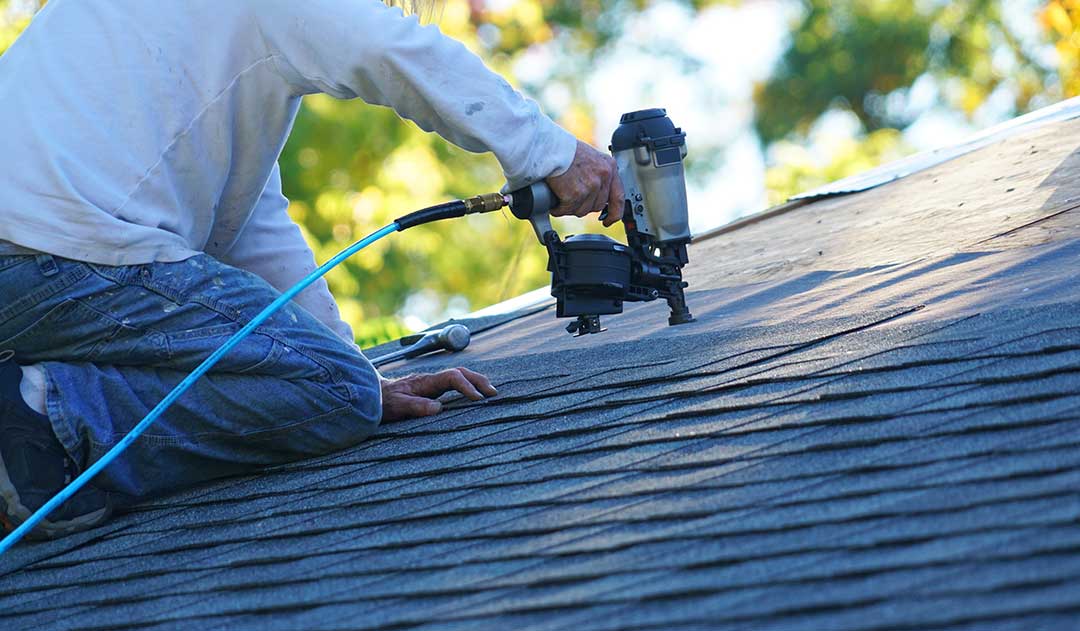
- Damaged flashing or worn sealant: These areas are main culprits for leaks near roof edges, chimneys, or vents.
- Hidden gutter blockages: Debris out of sight can cause water backup under shingles.
- Small holes or animal damage: Squirrels, birds, or insects sometimes create entry points that lead to leaks or insulation problems.
- Attic insulation and venting: Poor airflow can cause ice dams or mold growth but is often overlooked unless visible stains are present.
Consistent attention to these less-obvious risks helps prevent problems from compounding into larger repairs.
What Records Should Concord Homeowners Keep?
Documenting inspections with photos and notes, even informal ones, can help when discussing roof history or warranty issues. On a worksheet or in a simple notebook, note:
- The date and weather during inspection
- What was checked (shingles, flashing, attic, etc.)
- Problems seen, with close-up photos if possible
- Repairs made or steps taken
This ongoing record equips local households to track changes over the years, and is also useful in discussions with insurers if storm damage occurs.
When Is It Necessary to Seek Professional Help?
While many roof issues can be spotted early by residents themselves, Concord’s steep-pitched historic homes, three-story buildings, or complex roofing features may require specialized safety and expertise. Specific circumstances requiring outside help include:
- Water actively leaking into living spaces
- Evidence of structural sagging or dangerous bowing
- Roof areas that are not safely accessible
- Concerns about mold, extensive rot, or hazardous materials (like asbestos in very old roofs)
If a roof appears dangerous or beyond safe self-assessment, pausing to prioritize safety is always a wise step.