

 See My Latest Article on HelloNation
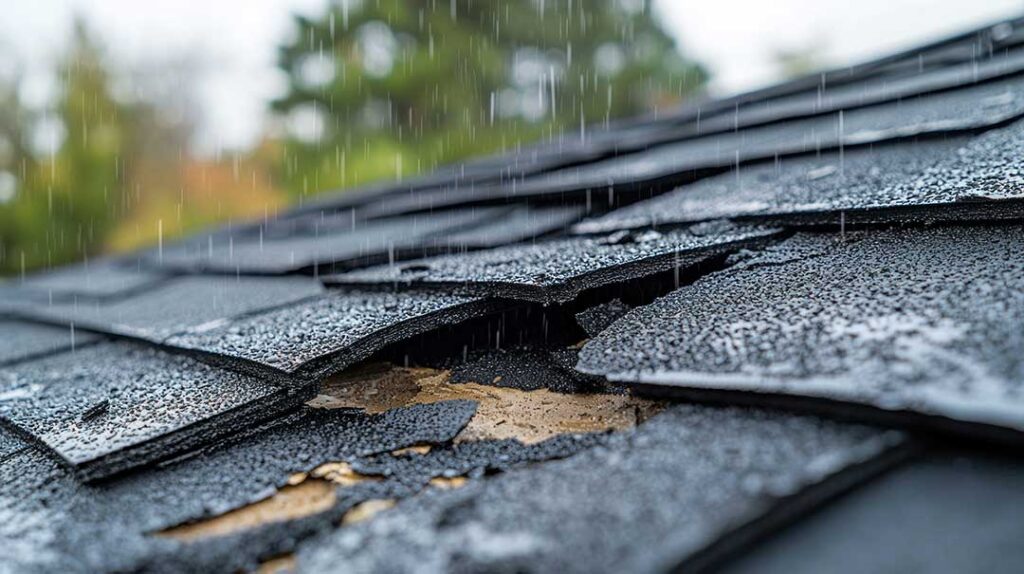
Hurricane season may feel like a coastal concern, but tropical storms and hurricane remnants can bring damaging wind, heavy rain, falling branches, power outages, and inland flooding to Concord, NH. A roof does not need to experience hurricane-force conditions to suffer damage; loose shingles, blocked drainage, weak flashing, and aging materials can fail during a fast-moving storm.
Preparing the roof before a storm is more effective and safer than attempting repairs while strong wind and rain are approaching.
What should be checked before hurricane season?
The roof should be inspected for conditions that could allow wind or water to enter the home. A ground-level review can identify many warning signs without requiring anyone to climb onto the roof.
Look for:
- Missing, lifted, curling, cracked, or blistered shingles
- Exposed nail heads or loose roofing materials
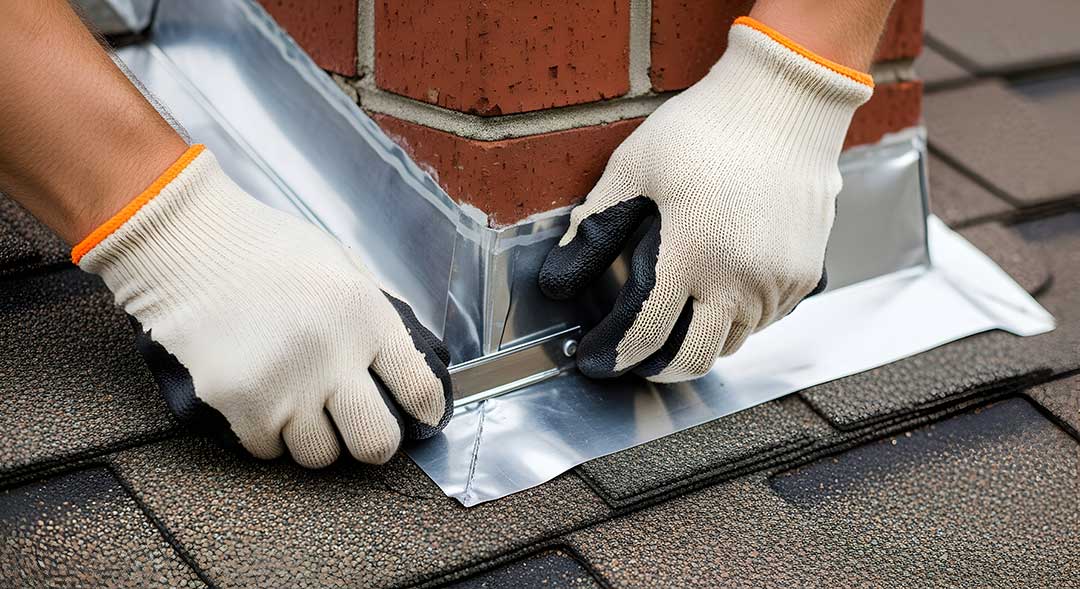
- Damaged flashing around chimneys, skylights, vents, and roof edges
- Loose or damaged gutters and downspouts
- Sagging areas on the roof surface or along eaves
- Moss, heavy debris, or accumulated leaves that may hide damage
- Water stains on ceilings, attic walls, or upper-floor walls
Older homes and houses with several roof additions may have more complicated flashing and drainage patterns. Valleys, porch connections, dormers, and roof-to-wall transitions deserve particular attention because they collect water and often experience more wear than broad, open roof sections.
If a roof surface is steep, wet, icy, visibly damaged, or difficult to access, staying on the ground is the safest choice. Roof inspections should not create a fall hazard before a storm arrives.
Why do gutters and downspouts matter during a hurricane or tropical storm?
Gutters and downspouts help move large amounts of rain away from the roof, siding, foundation, and entrances. If they are clogged or disconnected, water can spill over the roof edge and collect beside the house.
Before the season begins, remove leaves, pine needles, and sediment from gutters. Check that downspouts discharge far enough away from the foundation and that their connections are secure. Downspout extensions should not be pointed toward walkways, basement stairwells, or areas where water already collects.
In Concord, heavy rain may arrive after periods of dry weather, and storm runoff can increase quickly when the ground is saturated. A roof drainage problem may therefore become a basement or foundation problem even when the roof itself appears intact.
Do not lean ladders against unstable gutters or climb during wet or windy conditions. If gutters are high, damaged, or difficult to reach safely, the work may require appropriate fall protection and experience.
How can loose shingles and flashing be secured?
Loose roofing materials should be corrected well before a storm threatens the area. High wind can lift an already weakened shingle, expose the underlayment, and allow wind-driven rain to enter. Once one section begins to fail, nearby materials may be pulled loose as well.
Pay close attention to roof edges, ridges, hips, and areas around penetrations. These locations can experience greater wind pressure or contain more seams. Flashing should lie flat and remain firmly attached. Caulking alone is not a dependable substitute for properly installed flashing or secure roofing materials.
Do not place tarps, boards, or heavy objects on the roof as a last-minute measure unless the situation is being handled safely. Improperly secured materials can damage shingles, obstruct drainage, or become dangerous debris.
Should trees near the house be trimmed?
Trees and branches are a major roof concern during tropical storms, especially where mature trees are close to the home. A falling limb can puncture shingles, damage flashing, break skylights, or strike a chimney.
Before hurricane season:
- Remove dead, hanging, or visibly weakened branches.
- Keep branches from rubbing against the roof or scraping across shingles.
- Watch trees that lean toward the house, garage, or utility lines.
- Clear branches that block gutters or cover roof drains.
- Avoid cutting large limbs near power lines or structures without proper safety equipment.
Tree work can involve falling limbs, chainsaws, electrical hazards, and unstable ground. It should not be attempted during high wind, and hazardous trees may require specialized equipment.
What outdoor items can damage a roof?
Patio furniture, grills, umbrellas, toys, loose lumber, garden tools, planters, and lightweight storage containers can become airborne in strong wind. Even objects that seem too heavy to move may slide, roll, or break apart.
Before a storm warning becomes urgent, store loose items inside a garage, shed, or secured indoor area. Anchor items that cannot be moved, including certain sheds, play equipment, and fuel containers, according to safe storage requirements.
Do not place outdoor furniture on the roof. It can damage shingles and create additional flying debris.
Should the attic be checked?
Yes. The attic can reveal roof problems before water reaches finished rooms. Look for damp insulation, dark stains, daylight through the roof deck, rust around fasteners, dripping after rain, or signs of past leaks.
Ventilation openings should remain clear, but attic vents should not be covered casually with plastic or household materials. Improperly blocked ventilation can trap moisture and contribute to condensation, mold, or premature deterioration.
Stored belongings should be moved away from areas with a history of leaks. Valuable items should not be kept directly beneath roof valleys, chimneys, skylights, or other common entry points.
What last-minute roof steps are safe before a storm?
Once strong wind or severe weather is approaching, roof work should stop. The safest last-minute actions usually happen at ground level:
- Clear leaves and debris from accessible drains and gutters.
- Bring in or secure loose outdoor objects.
- Check that doors, windows, and garage openings are closed.
- Move vehicles away from large trees when practical.
- Place buckets or protective coverings under known interior leak areas.
- Keep flashlights, batteries, medications, and essential documents accessible.
- Monitor official weather alerts and remain indoors when dangerous wind begins.
Taping windows does not prevent roof damage and does not provide meaningful protection from high wind. Roof work, tree cutting, and ladder use during a storm can lead to serious injury.
What should be done after the storm?
Do not assume the roof is safe because the rain has stopped. Wind may return, especially if the center or “eye” of a tropical system passes nearby. From the ground, check for missing materials, sagging areas, fallen branches, damaged gutters, and water entering the attic or living spaces.
Stay away from downed power lines and avoid walking beneath damaged trees or roof edges. Do not climb onto a wet or unstable roof. If the structure appears unsafe, the attic has major water intrusion, or electrical systems have been affected, leave the area and follow emergency instructions.
Document visible damage with photographs when it is safe to do so, but avoid disturbing debris until hazards have been assessed. Emergency repairs should focus on preventing additional water entry without creating new safety risks.
Preparing early is especially useful for area households because the same roof must also handle snow, ice, freeze-thaw cycles, and spring rainfall. A pre-season inspection can identify small weaknesses before tropical-storm remnants add wind and intense rain to an already demanding New Hampshire weather cycle.