

 See My Latest Article on HelloNation
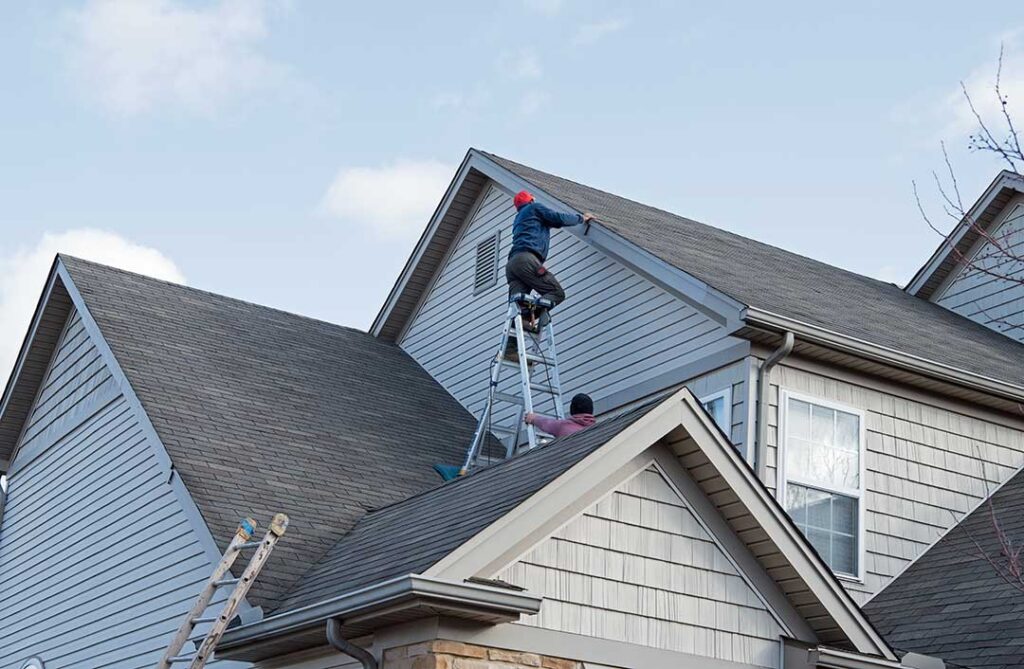
Winter preparation is mostly about preventing small roof problems from becoming leaks, ice dams, or unsafe snow buildup. In Concord, NH, roofs commonly face repeated cycles of snow, freezing rain, thawing, and refreezing, so preparation should begin before the first sustained snow cover.
A careful inspection from the ground, attic, and accessible roof edges can reveal many concerns. Work on the roof itself should be avoided when surfaces are wet, icy, steep, or otherwise unsafe.
What should be checked before winter?
Before cold weather settles in, look for damaged shingles, loose flashing, blocked drainage, and signs of moisture in the attic. These conditions can worsen when snow and ice hide the roof surface for several months.
From the ground, inspect for:
- Missing, cracked, curled, or lifted shingles
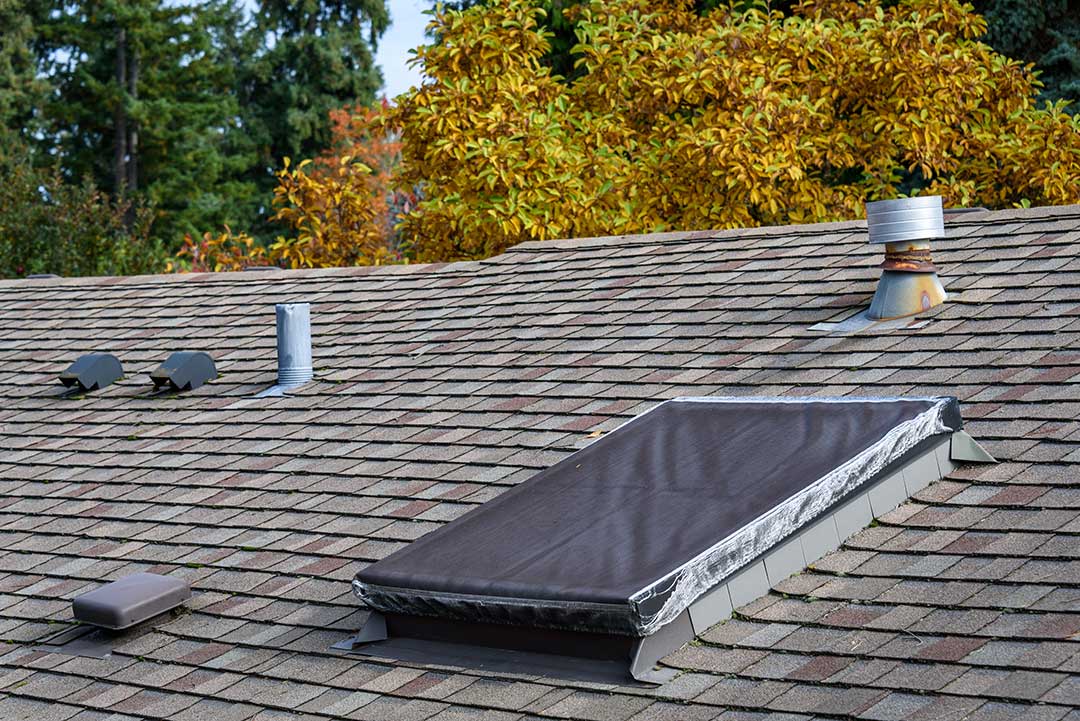
- Loose metal flashing around chimneys, vents, skylights, and roof-to-wall intersections
- Sagging roof sections or visibly uneven areas
- Damaged fascia, soffits, or trim
- Gutters pulling away from the roof edge
- Icicle staining or dark streaks that appeared during previous winters
- Tree limbs that could scrape the roof or fall during a storm
A small roof leak may not appear as a ceiling stain immediately. Water can travel along roof framing before entering a finished room, which is why attic inspection is useful before winter begins.
In the attic, look for wet insulation, darkened wood, musty odors, frost on nails, and water marks near the eaves or roof penetrations. Frost can indicate that warm, moist indoor air is entering the attic and condensing on cold surfaces.
Why do ice dams form?
Ice dams form when heat escapes into the attic and warms part of the roof, causing snow to melt. The water flows toward the colder roof edge, where it refreezes. Continued melting can leave water trapped behind the ice, allowing it to move beneath shingles and into the roof assembly.
Icicles can be a warning sign, but they do not always prove that an ice dam is present. The more important issue is uneven roof temperature. A roof with consistent insulation, effective air sealing, and functioning ventilation is less likely to develop the warm-and-cold pattern that causes repeated melting and refreezing.
Common contributors include:
- Thin or uneven attic insulation
- Gaps around light fixtures, plumbing vents, wiring, and attic access panels
- Blocked soffit vents
- Inadequate airflow between soffit and ridge vents
- Warm air leaking from living areas into the attic
- Ductwork or heating equipment located in an attic space
Adding insulation without addressing air leaks can leave the underlying problem unresolved. Warm air may still reach the roof deck, while insulation can block intended ventilation if it is installed against soffit openings.
How can attic insulation and ventilation be improved?
The attic should have a continuous thermal boundary and a clear path for ventilation where the roof design calls for a vented assembly. Insulation should remain evenly distributed, including near the outer edges of the ceiling. Ventilation channels, often maintained with baffles, help preserve airflow from the eaves toward higher roof vents.
Do not cover soffit vents with insulation, paint, leaves, or debris. These openings are part of the roof’s ventilation system. Ridge vents, gable vents, and other openings should also be checked for obstruction.
Air sealing is equally important. Common leakage points include:
- The attic hatch or pull-down stairs
- Recessed light fixtures
- Plumbing and electrical penetrations
- Open wall cavities
- Furnace or chimney openings
- Duct chases
- Bathroom and kitchen exhaust fan penetrations
Bathroom and kitchen exhaust should discharge outdoors through properly installed ducts, not into the attic. Moist indoor air released into a cold attic can condense on roof framing and insulation, creating winter moisture problems even when the roof is not leaking.
Should gutters be cleaned before snow arrives?
Yes. Gutters and downspouts should be clear before the first major storm. Leaves, pine needles, and roof granules can restrict drainage, allowing water to collect and freeze at the eaves.
Check that:
- Gutters are securely attached
- Downspouts discharge water away from the foundation
- Elbows and underground outlets are not blocked
- Water can flow continuously through the system
- Extensions have not shifted or become buried by soil, leaves, or snow
Clean gutters do not prevent ice dams by themselves. Ice dams are primarily related to roof temperature and attic conditions. However, clear drainage helps melted snow and rain leave the roof more effectively and reduces the chance of water pooling near already vulnerable areas.
Gutter guards should also be inspected rather than assumed to be maintenance-free. Fine debris can collect on top of or beneath some systems, and freezing water can still create drainage problems.
Is it safe to remove snow from the roof?
Roof snow removal can be hazardous and is not always necessary. Snow should not be shoveled from a roof with ordinary sharp-edged equipment, since tools can damage shingles, flashing, and protective membranes.
Heavy snow can place significant weight on a roof, especially when followed by rain or thawing. Warning signs that merit prompt attention include:
- New ceiling cracks or sagging
- Doors or windows suddenly sticking
- Unusual popping or creaking sounds
- A visibly sagging roofline
- Large amounts of snow concentrated on one section
- Water entering the attic or upper floors
Never stand beneath large icicles or roof-edge snow that may fall without warning. Icicles can become heavy and may drop unexpectedly during a thaw.
What roof repairs should be completed before winter?
Repairs involving active leaks, exposed underlayment, failed flashing, loose shingles, or damaged chimney and vent seals should be addressed before prolonged snow cover. Temporary patches may not withstand repeated freezing and thawing, particularly if water is already entering beneath the roofing material.
Roof penetrations deserve special attention because they are common leak locations. Examine plumbing vent boots, skylight flashing, chimney counterflashing, and areas where different roof slopes meet. Valleys can also collect snow, ice, and debris, making them vulnerable during storms.
Any work requiring walking on a steep, wet, icy, or snow-covered roof presents a serious fall risk. Safety concerns are a valid reason to postpone inspection or repair until conditions are suitable or to use qualified assistance for hazardous work.
What should be monitored during winter?
After major snow, rain, or freeze-thaw events, check the attic and upper ceilings for new moisture. Look for damp insulation, fresh stains, dripping around roof penetrations, and frost that returns after ventilation or air-sealing problems have been addressed.
From the ground, watch for uneven snow melting, large icicles, blocked downspouts, and snow drifting against higher roof sections. Avoid chopping ice with tools, pouring hot water on shingles, or using salt or chemical deicers on the roof. These approaches can damage roofing materials, gutters, landscaping, or exterior surfaces.
A winter-ready roof is not simply one with a clean surface. It is a roof with sound coverings, clear drainage, controlled attic heat and moisture, and safe plans for observing snow and ice conditions throughout the season.