

 See My Latest Article on HelloNation
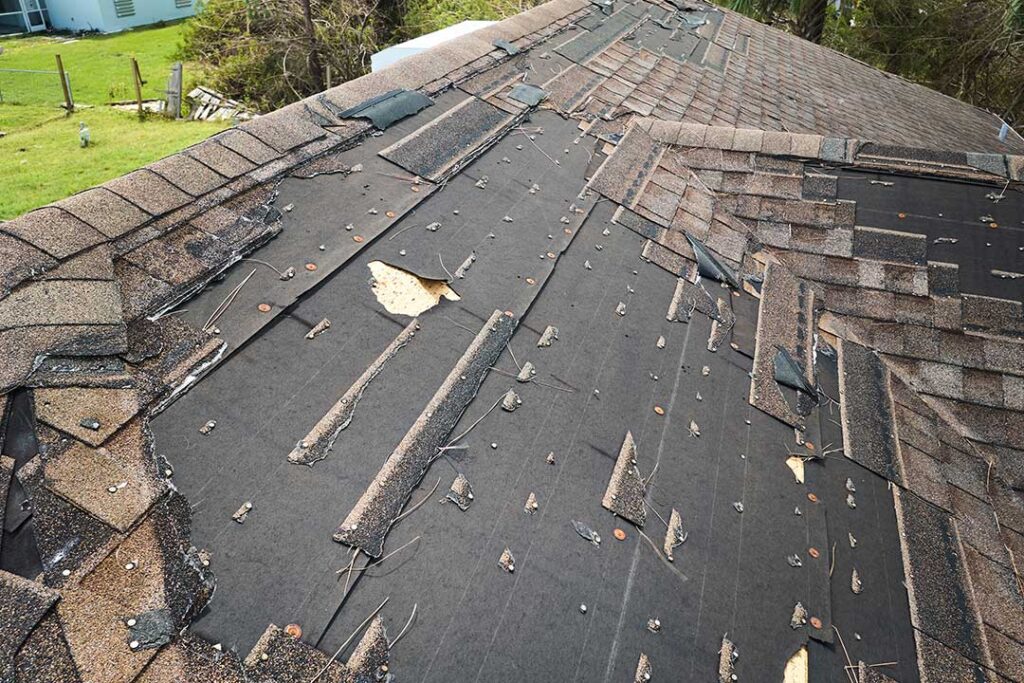
Tree limbs can affect a roof in several ways, from scraping away protective granules to causing sudden structural damage during a storm. In Concord, NH, the combination of winter snow, ice, wind, and mature trees around many homes can make branches a recurring roofing concern.
The risk is not limited to large limbs that fall through shingles. Smaller branches can create gradual wear, block drainage, and keep roof surfaces damp long enough to encourage decay.
How can tree limbs damage shingles?
Tree limbs can damage shingles through impact, repeated contact, and trapped moisture. A falling branch may crack, puncture, or dislodge shingles, while a branch that rubs against the roof can slowly wear away the surface.
Common forms of damage include:
- Missing or torn shingles
- Cracked asphalt or exposed fiberglass matting
- Scraped-away protective granules
- Lifted shingle edges
- Damage to flashing around chimneys, vents, and roof intersections
- Holes or punctures in the roof covering
Even light branches can become abrasive when moved repeatedly by wind. The same section of roof may be rubbed hundreds of times during a storm, especially if the limb rests against the shingles instead of merely passing above them.
Granule loss is another overlooked problem. Granules help protect asphalt shingles from sunlight and weathering. A small bare patch may not cause an immediate leak, but it can leave that portion of the roof more vulnerable to faster deterioration.
Can a branch cause a roof leak without making a large hole?
Yes. Water can enter through small cracks, lifted shingle tabs, damaged flashing, or exposed fasteners. A roof does not need to have a dramatic opening for moisture to reach the sheathing below.
Water may travel sideways beneath shingles before appearing inside the home. As a result, an indoor stain may not be directly below the branch impact. Signs of possible limb-related water entry include:
- Brown or yellow ceiling stains
- Damp attic insulation
- Darkened roof sheathing
- Dripping near a wall, chimney, or ceiling fixture
- Peeling paint or bubbling drywall
- A musty odor after rain
A leak that appears only during wind-driven rain can be especially difficult to trace. Wind may push water beneath a damaged shingle or flashing joint that remains dry during ordinary rainfall.
Why are overhanging branches a problem even if they never fall?
Branches that extend over a roof can cause gradual damage and create maintenance problems. Leaves, needles, bark, and small twigs collect in valleys, around skylights, and near roof edges. These materials can hold moisture against the roofing surface.
Overhanging limbs may also:
- Scratch shingles as they move
- Drop sap or debris onto the roof
- Shade the roof and slow drying after rain or snow
- Encourage moss or algae growth in persistently damp areas
- Block gutters and downspouts
- Provide access for animals to reach roof edges or attic openings
Shade alone does not automatically damage a roof. The concern is the combination of shade, debris, and poor drying. In a climate with snowy winters and wet seasonal weather, areas that stay damp longer can show wear sooner than exposed sections.
How do winter conditions increase the risk?
Winter weather can make tree-limb hazards more serious. Snow and ice add weight to branches, while freezing temperatures can make older or weakened limbs brittle. Wind may then break branches that appeared stable during warmer months.
A branch resting on a roof can also become more damaging as snow accumulates around it. Added weight may press the limb into shingles or roof decking. If a limb blocks drainage, melting snow can collect behind it and increase the chance of water entering beneath roofing materials.
Ice storms deserve particular attention because they coat branches with a heavy layer of ice. A limb that normally remains safely above a roof may bend downward under that added load.
What roof areas are most vulnerable?
The most vulnerable areas are usually roof edges, valleys, lower roof sections, and locations near large trees. These areas may collect more debris or receive repeated contact from moving limbs.
Pay close attention to:
- Roof edges beneath large branches
- Valleys where leaves and twigs gather
- Flashing around chimneys and wall intersections
- Plumbing vent flashings
- Skylights and roof windows
- Gutters and the roofline above them
- Areas where a branch has visibly rubbed against shingles

Dormers, additions, porches, and lower roof sections can also be affected because nearby limbs may rest on them before touching the main roof.
How can residents spot tree-limb damage safely?
A ground-level inspection can identify many warning signs without anyone climbing onto the roof. After a storm, look for new branches, scattered shingle pieces, changes in the roofline, and areas where shingles appear lighter or darker than surrounding sections.
Binoculars can help reveal:
- Missing shingles
- Shingle tabs lifted at the edges
- Exposed underlayment or wood
- Bent or displaced flashing
- Sagging roof sections
- A limb resting on the roof
- Gutter sections pulled away from the house
A roof should not be walked on simply to inspect minor damage. Wet shingles, ice, steep slopes, and unstable branches create fall hazards. A branch touching electrical equipment, a service line, or an unstable part of the structure requires extra caution and should not be handled by an untrained person.
What should be done after a limb falls on the roof?
If a limb has fallen onto the roof, keep people away from the area below it and avoid pulling or cutting the branch from the ground. Removing a limb can shift its weight and cause additional damage.
Inside the home, place containers beneath active drips and move belongings away from water. If electrical fixtures, outlets, or wiring are wet, avoid touching them and use the home’s electrical shutoff only if it can be reached safely.
Photographs taken from the ground can document the condition before debris is moved. If the roof is visibly sagging, a large limb remains in place, or water is entering rapidly, the situation should be treated as a safety issue rather than a routine maintenance task.
How can tree-related roof damage be reduced?
Prevention begins with keeping branches from contacting the roof. Trees should be observed regularly, especially after heavy snow, ice, or high winds. Dead limbs, weak branch unions, and branches with visible cracks deserve attention before they fail.
Helpful practices include:
- Keep limbs trimmed away from the roof surface
- Remove dead or hanging branches before winter when conditions allow
- Keep gutters and roof valleys clear of accumulated debris
- Check attic areas for dampness after major storms
- Watch for trees leaning toward the home
- Avoid stacking firewood or equipment where falling limbs could create additional hazards
- Recheck trees after ice storms or heavy wet snow
Trimming should not involve climbing onto a roof or using a saw near electrical lines. Branch removal becomes hazardous when limbs are large, under tension, close to utilities, or supported by a damaged tree.
A tree limb does not have to break through the roof to cause trouble. Repeated rubbing, trapped debris, blocked drainage, and hidden flashing damage can all shorten the useful life of roofing materials. Regular observation from the ground, especially after Concord, NH weather events, can help identify problems before a small branch-related defect becomes an interior leak.